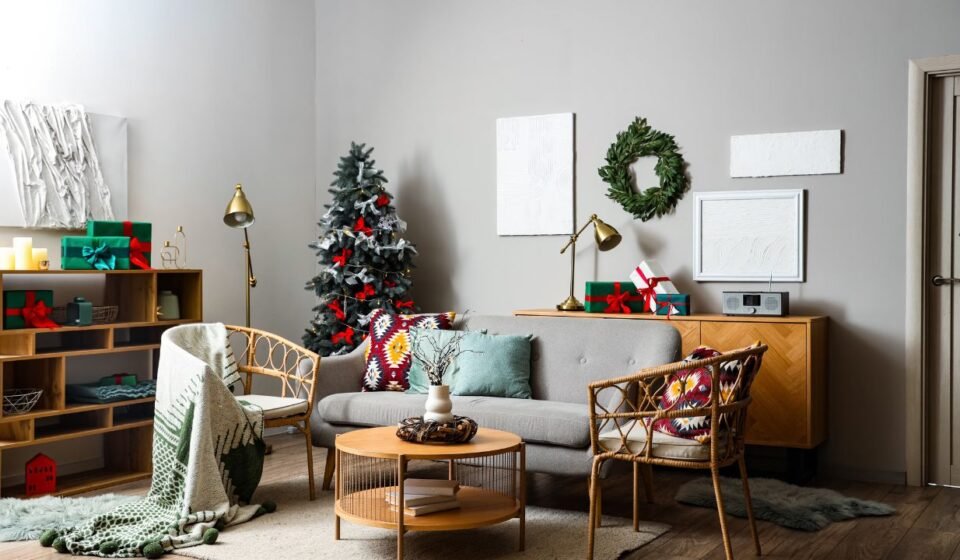

Turn the living room into the warmest room in the house
Before the decorations come out, the living room may feel perfectly ordinary: a sofa, a bare coffee table, and windows turning dark before dinner. Then the first strand of lights comes on, and the room changes. Corners soften, familiar furniture feels more inviting, and everyone seems to drift a little closer together.
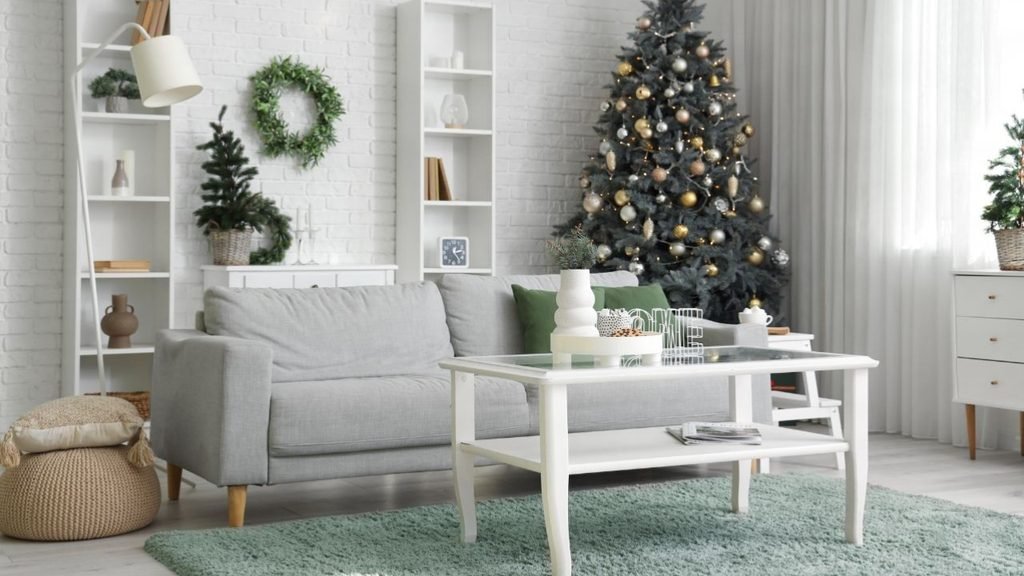
The best Christmas decorating ideas for a living room are not about covering every surface. They are about creating a clear focal point, adding layers of warm texture, and leaving enough breathing room for real life. This guide brings together practical solutions, from living room Christmas decor inspiration and cozy Christmas living room ideas to budget swaps, safe placement, and easy finishing touches.
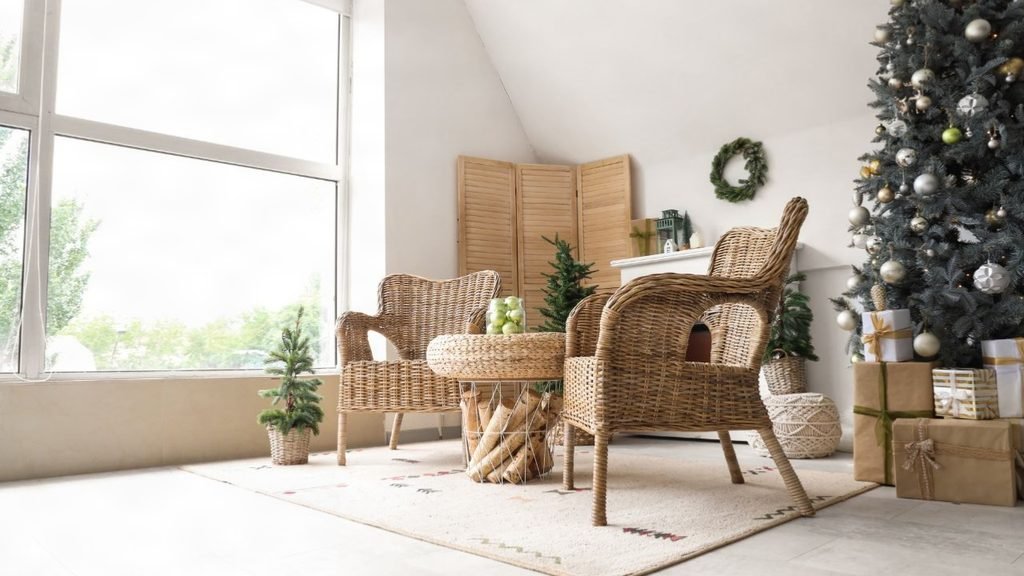
| Design principle: Choose one visual star, then support it with smaller repeated details. A room feels festive when the eye has somewhere to land and the rest of the decor knows when to stop. |
15 Christmas decorating ideas for a welcoming room
The sequence below moves from big decisions to small accents, so the room develops naturally instead of becoming a holiday storage box with a sofa inside.
1. Let one feature lead the room
Start by choosing the feature that should catch attention first. It might be the tree beside the sofa, a fireplace mantel, a large window, or a beautifully framed television console. Stand in the doorway and notice where the eye naturally travels; that is usually the best place to build the holiday story.
Keep the supporting pieces quieter. If the tree is the star, use restrained mantel greenery and a simple coffee-table arrangement. If the mantel has dramatic garland, choose a slimmer tree treatment so the two features do not compete. This small decision prevents visual noise before it starts.
2. Build a restrained color palette
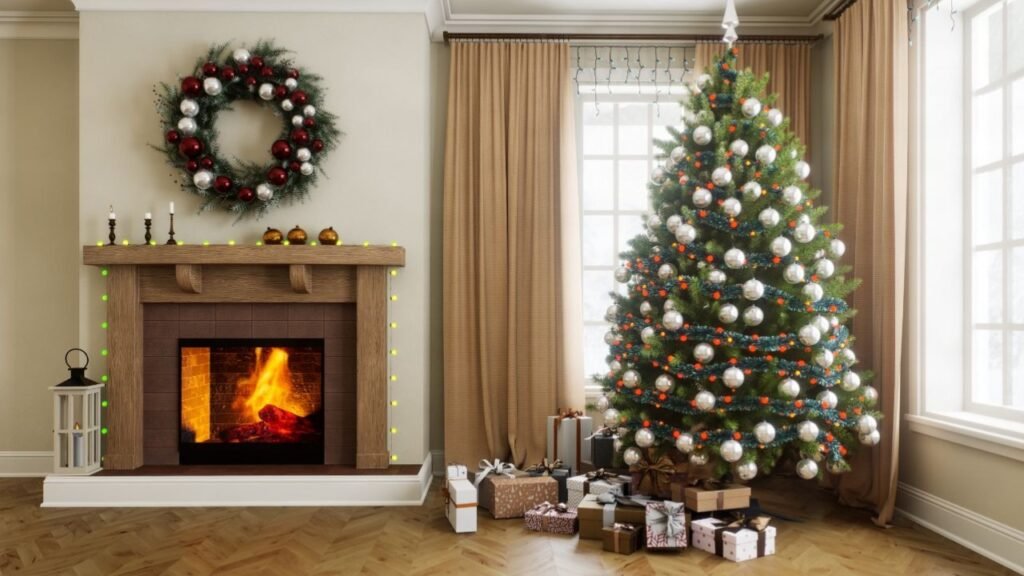
Pick three main colors and repeat them across ornaments, textiles, greenery, and small accents. A useful starting point is a 60/30/10 balance: let the existing room color occupy about 60 percent, a seasonal supporting color about 30 percent, and a brighter accent about 10 percent.
Classic red, cream, and evergreen feel generous and familiar. Champagne, ivory, and pine create a softer look, while matte black, white, and brass suit modern Christmas living room ideas. The exact colors matter less than repetition. A few red berries echoed in a cushion and ribbon will look more intentional than red decorations scattered everywhere.
| Palette | Best supporting textures | Easy accent |
| Red, cream, evergreen | Wool, cedar, brushed metal | Berry-red ribbon |
| Ivory, pine, champagne | Linen, velvet, warm glass | Gold ornament |
| White, black, brass | Bouclé, wood, matte ceramic | Brass star |
3. Layer at least two or three light sources
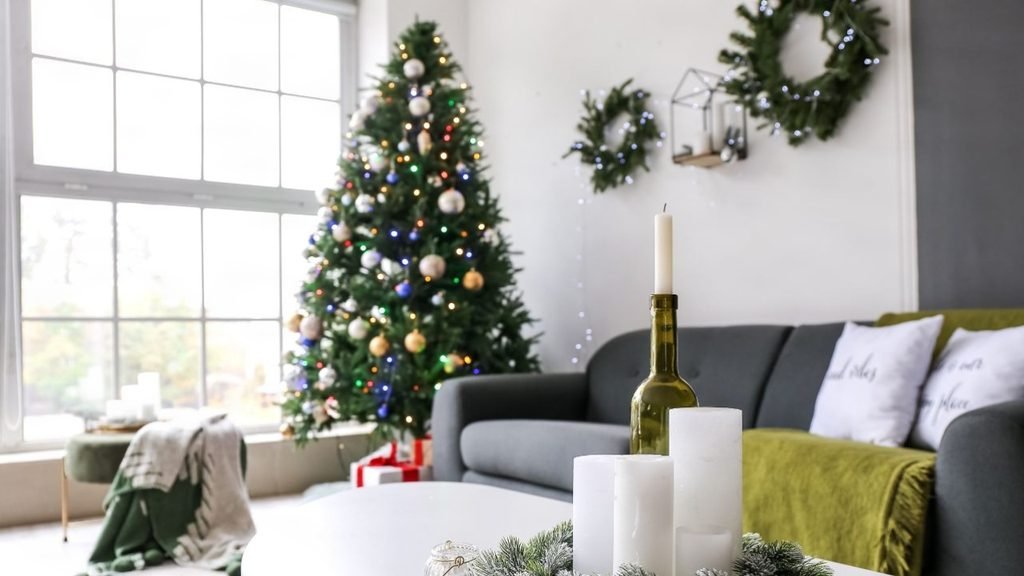
Overhead lighting alone can make a decorated room look flat. Aim for two or three light sources at different heights: tree lights at eye level, a table lamp near the sofa, and a low glow from a lantern or flameless candle. The mixture creates depth without requiring more decorations.
Choose warm-white bulbs when the room should feel relaxed, and repeat that warmth in lamps or candles. Hide cords along furniture legs or behind the console, secure them where people walk, and keep plugs and adapters away from water. Around children or pets, flameless candles provide the candlelit effect without an open flame.
4. Give the tree room to breathe
Choose a tree that leaves roughly 15 to 30 centimeters between its top and the ceiling, including the topper. Its width matters just as much: leave a clear passage beside it rather than squeezing a broad tree into a narrow corner. A slim tree can deliver plenty of impact in a small living room without stealing the walkway.
Place the tree where it can be enjoyed from the sofa and from the entrance, but never in front of an exit, heat vent, or frequently opened door. Start with lights, then large ornaments, then smaller pieces. Keep fragile or sentimental ornaments higher up when young children or curious pets share the room.

5. Style the mantel or media console in layers
Treat a mantel or media console as a horizontal landscape. Begin with one long foundation, such as a garland, a folded runner, or a line of greenery. Add a taller anchor at one side, a medium object near the center, and a low object at the opposite side. The uneven heights feel relaxed while still looking composed.
For a television console, keep decorations below the screen and avoid placing shiny ornaments where they create distracting reflections. A pair of small trees, a stack of wrapped empty boxes, or a shallow tray can add seasonal character without competing with the picture. Leave controls, speakers, and ventilation slots accessible.
6. Make the sofa the comfort zone
Three texture layers are usually enough to make seating feel seasonal: a soft throw, a tactile cushion, and a natural or woven element nearby. Combine velvet with chunky knit, linen with faux fur, or boucle with smooth cotton so the room feels rich rather than fuzzy in every direction.
Drape one throw over the arm or corner of the sofa instead of folding several blankets across every seat. Place cushions in pairs or an intentional trio, keeping at least one clear seat for guests. Plaid, subtle stripes, and small winter motifs often feel more timeless than a collection of novelty prints.
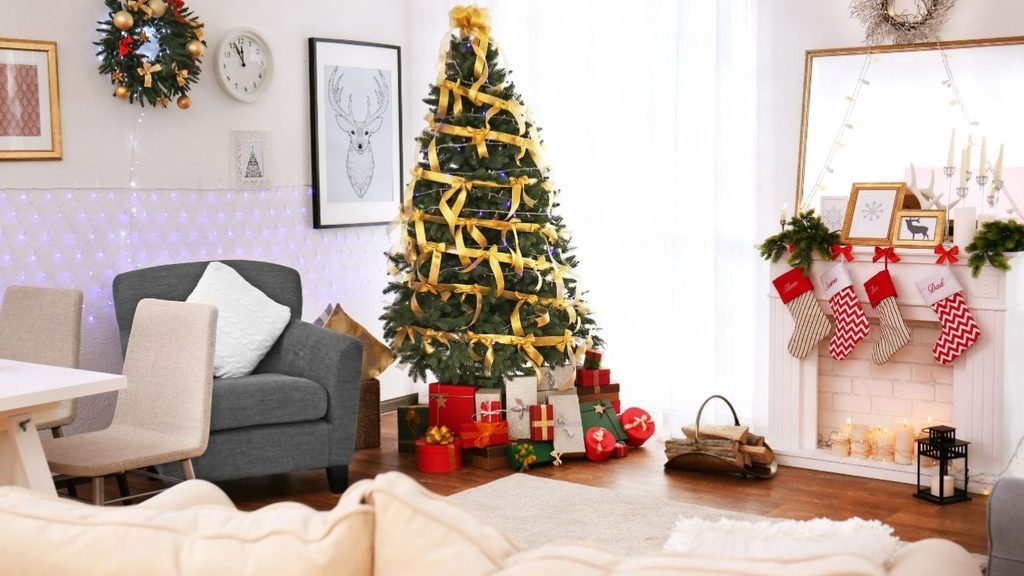
Let greenery soften the edges
Fresh or faux greenery adds movement to hard surfaces and helps connect the tree to the rest of the room. Run a short cedar or eucalyptus strand along the mantel, tuck a few clipped branches into a vase, or place a small wreath above a side table. Keep the treatment loose enough that the original furniture still shows.
Use one greenery type as the repeating thread, then add a contrasting detail such as pinecones, dried orange slices, or muted berries. Fresh branches need water when appropriate, and all greenery should stay clear of candles, radiators, fireplaces, and hot lamps. If shedding needles would be troublesome, quality faux stems can be the more practical choice.

8. Create a centerpiece with a low profile
For a coffee table, aim for an arrangement that sits below eye level when people are seated. A shallow bowl with ornaments, a tray holding a small vase and flameless candle, or three bottle-brush trees at different heights can become a simple holiday living room centerpiece idea.
Keep the arrangement narrow enough to leave room for mugs, books, and conversation. On a side table, use one taller element and one small companion rather than recreating the whole tree. Repeat one material from elsewhere, such as brass, wood, glass, or woven fiber, so the centerpiece feels connected rather than dropped in at the last minute.
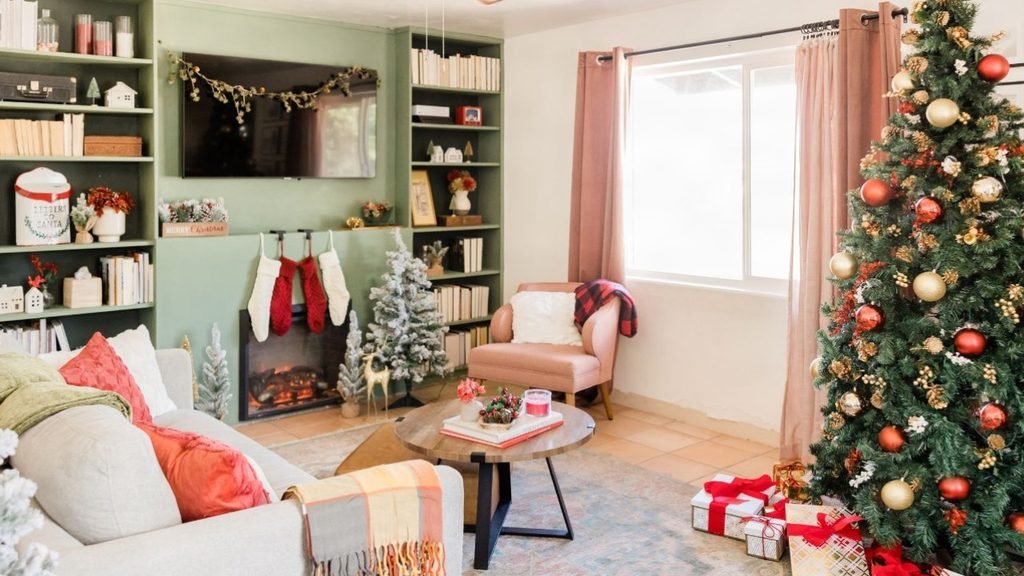
9. Use the walls for quiet seasonal impact
Christmas living room wall decor does not need to mean a gallery of oversized signs. Hang a simple wreath, swap one framed print for a winter landscape, or use a narrow strand of paper stars above a console. Keep wall pieces securely mounted and centered to the furniture below, with enough margin that they do not feel pressed against the ceiling or tabletop.
For renters or anyone avoiding holes, lean framed art on a shelf, use removable hooks rated for the item’s weight, or hang a lightweight garland from a picture ledge. One considered wall moment usually looks more polished than several unrelated holiday messages.
10. Let the windows join the scene
Windows already provide light and structure, so decorate them lightly. A short garland across the sill, a wreath centered in the glass, or matching ribbon at the curtain tiebacks can frame the room without making it feel enclosed. Keep treatments away from radiators and do not let cords hang where children or pets can reach them.
If the view is attractive, leave most of the glass clear. A few warm lights around the frame can make the room glow from outside while preserving daylight during the afternoon. The goal is a soft border, not a curtain of decorations.
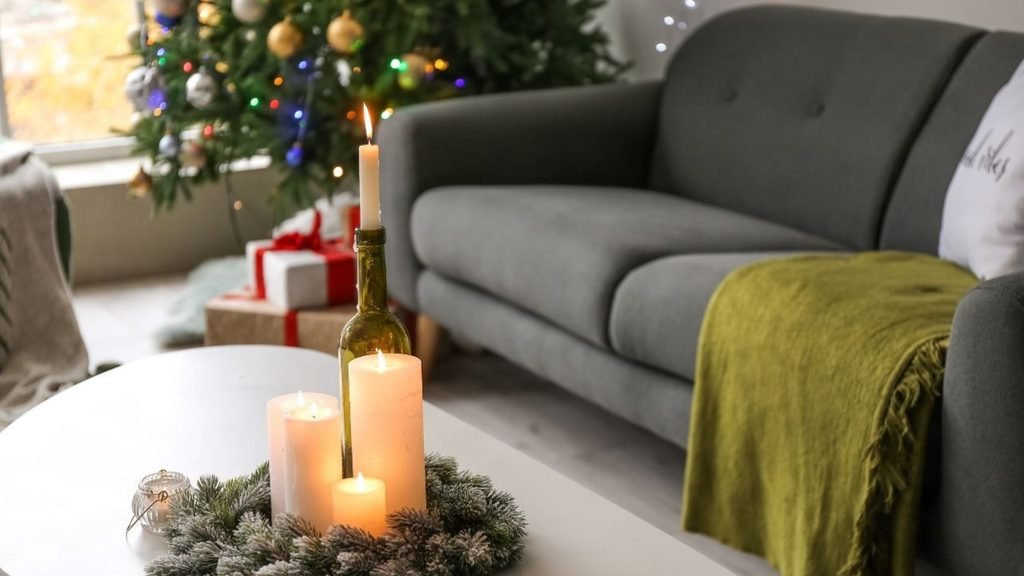
11. Add handmade accents with a clear purpose
DIY Christmas living room decorations work best when they solve a styling need. Fold paper stars for an empty wall, fill a glass jar with pinecones, tie leftover ribbon around plain cushion covers, or make a garland from dried citrus slices. These projects add personality without requiring a matching set of store-bought accessories.
Choose one handmade material and repeat it two or three times. For example, paper stars can appear above the console and on the tree, while dried citrus can be used in a bowl and threaded into greenery. Let the pieces look human and slightly varied; perfect uniformity can make a room feel staged rather than lived in.
12. Keep modern styling crisp and edited
For modern Christmas living room ideas, reduce the number of objects and increase the attention to shape. Try white paper ornaments, sculptural ceramic trees, a single oversized ribbon, or a palette of charcoal, cream, and brass. Matte surfaces keep the look calm, while one reflective detail catches the light.
Use clean spacing around each feature and avoid filling every shelf. A modern room benefits from contrast: smooth glass beside rough wood, a structured branch beside a soft throw, or a geometric ornament against loose greenery. Festive living room Christmas decor can feel contemporary without losing warmth.
13. Shop the room you already have
Budget Christmas living room decor often begins with a useful edit, not a shopping trip. Move a lamp, mirror, tray, or neutral vase into the room and give it a seasonal role. A ribbon tied around a vase, a folded scarf used as a runner, or pinecones collected responsibly can create a fresh look at little cost.
Buy fewer pieces with more than one use. A plain basket can hold throws now and gifts later; a neutral candleholder can stay out after the holidays; a narrow runner can work on the dining table next season. Compare scale before price: one generously sized wreath may look more finished than several tiny decorations competing for attention.
14. Make the room welcoming for families and pets
Festive styling should support the way the room is actually used. Keep exits, walkways, and the route to seating clear. Do not block heat vents, place candles where they can be knocked over, or run cords across a passage. Secure the tree if it could be pulled, choose flameless candles around children or pets, and keep fragile ornaments above reachable height.
Swap glass ornaments on low branches for wood, felt, paper, or shatter-resistant pieces. Avoid loose tinsel if a pet may chew it, and keep edible decorations out of reach. These choices are practical rather than alarming: they let the room stay joyful while reducing the number of things that need constant supervision.
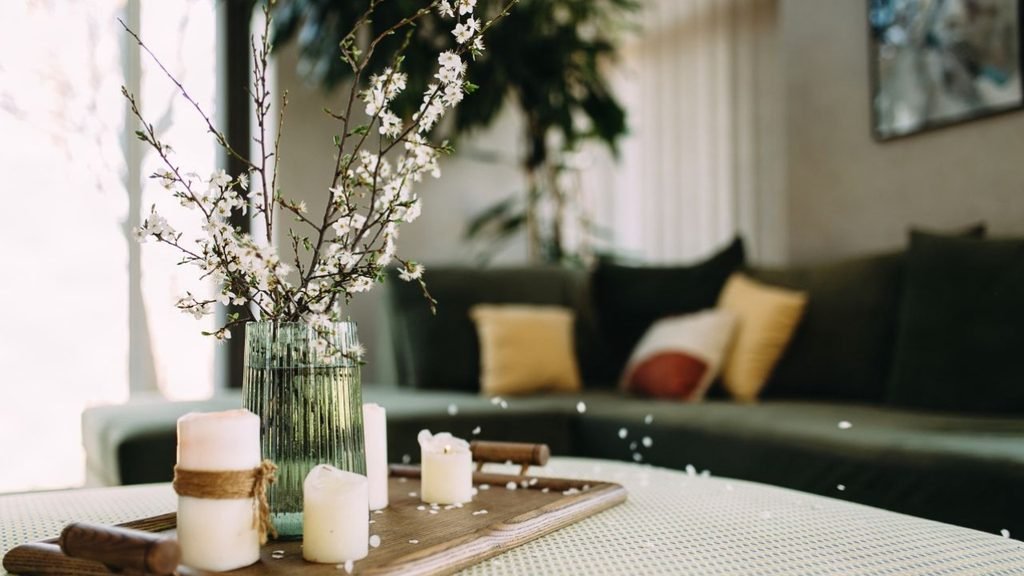
15. Finish with a ten-minute editing pass
Once everything is placed, turn off the overhead lights and look at the room from the doorway, sofa, and main walkway. Remove anything that repeats a shape or color without adding interest. A ten-minute final declutter can be the difference between cozy and crowded.
Check that the tree lights reach an outlet safely, candles are secure, ornaments are stable, and no decoration blocks a vent or exit. Photograph the room from the angle guests will see first. If the eye lands on a pile of packaging, a tangled cord, or a crowded tabletop, edit that spot before adding anything else.
How to combine the look without overdecorating
Use this simple sequence: clear the surfaces, choose the focal point, set the color palette, add lighting, layer greenery, dress the sofa, then place only the smallest accents that support the story. Work from large shapes to small details so every decision has a job.
The main focal point is visible from the entrance.
The room uses a consistent palette and no more than three dominant colors.
Two or three light sources create warmth at different heights.
Walkways, exits, vents, and controls remain clear.
Fragile pieces, candles, and cords are placed safely.
The coffee table still has space for everyday use.
The room feels festive without needing one more decoration.
FAQ
How can a small living room be decorated for Christmas? Choose a slim or tabletop tree, decorate upward with a wreath or paper stars, and use the wall and window edges instead of filling the floor. A tray can organize a small centerpiece, while one substantial garland often looks better than many small objects.
Which colors work in a modern living room? Cream, white, charcoal, brass, soft green, and muted terracotta all work well when repeated with restraint. Start with the room’s existing upholstery and wood tones, then add one seasonal accent rather than forcing a traditional red-and-green scheme.
How can Christmas decor stay inexpensive? Reuse vases, baskets, lamps, frames, and textiles already in the home. Add low-cost natural details such as pinecones or branches, make one repeated DIY accent, and shop for versatile pieces that can remain useful after the holidays.
How can a living room feel cozy without feeling crowded? Limit the number of display zones, keep seating usable, and rely on light and texture instead of more objects. One throw, a few cushions, greenery, and a low centerpiece can create warmth while preserving clear surfaces and walkways.
Where should candles and delicate ornaments go? Place candles on stable, heat-safe surfaces away from greenery, curtains, children, and pets; use flameless versions when supervision is difficult. Put fragile ornaments high on the tree or in areas that are not reached during normal use, and keep every cord secured and out of the walking path.
A room that feels like the season
The most memorable rooms are rarely the ones with the most decorations. They are the rooms where the lights flatter familiar faces, the sofa invites people to stay, and a few meaningful details make the season feel close at hand.
Use these Christmas decorating ideas for a living room as a flexible starting point. Choose the pieces that fit the room’s proportions, budget, safety needs, and traditions, then leave enough empty space for laughter, wrapping paper, mugs, and the ordinary moments that make the holiday feel real.