Shoes collect by the door fast: sneakers after school, work shoes after a long day, and boots that crowd the floor. The right shoe racks and organizers can make that daily pile easier to manage without taking over your entryway. Start with how many pairs you need to store, then choose a style that fits your space, footwear, and budget.
Choose Shoe Racks and Organizers That Solve Your Storage Problem
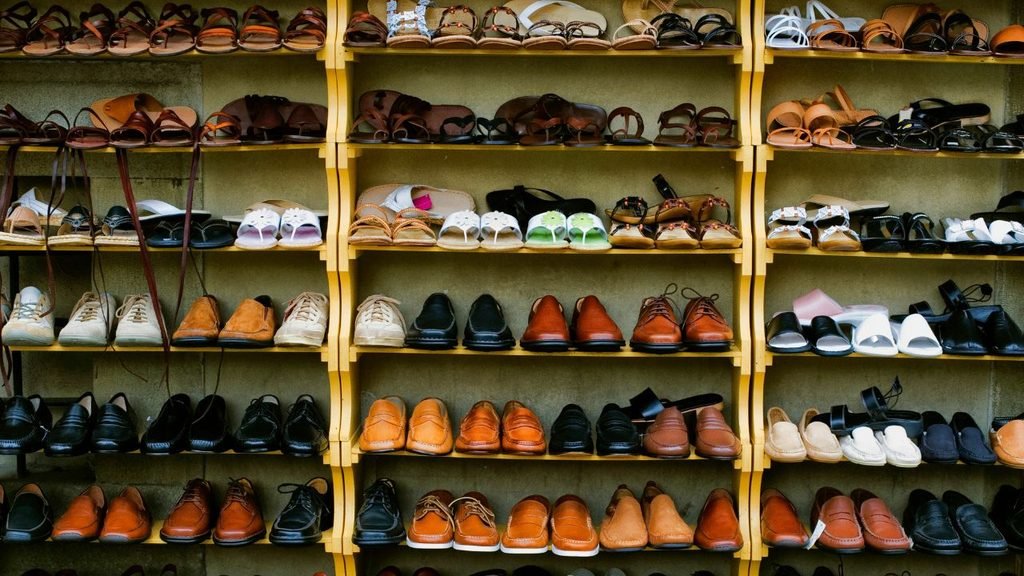
Before you shop, look at the shoes you own and where you reach for them. A rack that suits a small collection of daily sneakers may not work for a family with tall boots and sports gear. A quick count and a clear budget can help narrow your choices.
Count the pairs you need to store
Count everyday shoes first, then add pairs for work, exercise, special events, and other seasons. Make room for household members’ shoes, including children’s pairs that may change size over time. If your collection grows often, leave a little space for new arrivals rather than choosing a rack with no room to spare.
Match the rack to your entryway habits
Keep frequently worn shoes near the door for quick access. A small open rack may work well for daily pairs, while a closet organizer can hold shoes you wear less often. If guests visit often, leave an easy-to-reach spot for their footwear; homes with children may benefit from low shelves they can use on their own.
Set a budget and rank the features
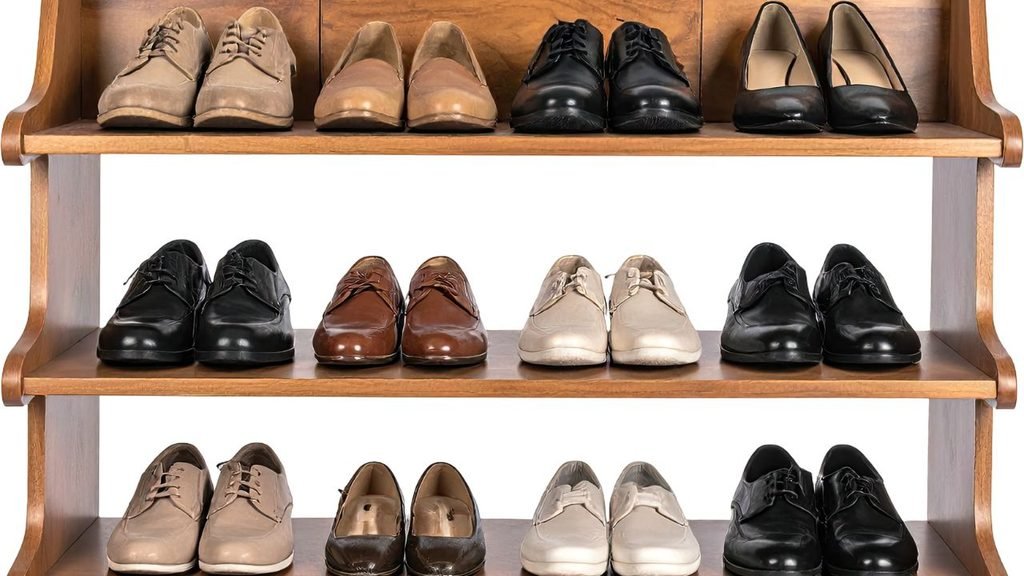
Compare capacity, materials, assembly, and appearance against your budget. A low-cost rack may suit a temporary setup, while a sturdier design may be a better fit for frequent use. Check current product details for dimensions, weight limits, and included hardware instead of relying on broad price or capacity estimates.
Compare Shoe Racks and Organizers by Style
The best design depends on your available floor and wall space, along with how much you want shoes on display. Open racks make pairs easy to spot, while enclosed cabinets hide clutter. Shoe racks and organizers also vary in how well they handle larger footwear, so check the details before you buy.
Use a tiered rack for everyday shoes
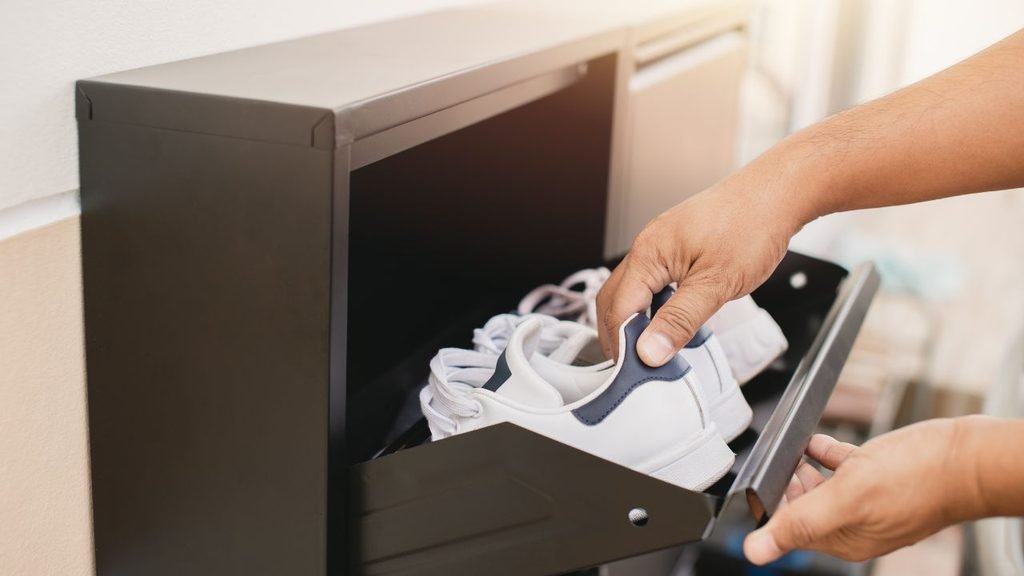
Open shelves keep daily footwear visible and easy to reach. Air can move around the shoes, which may help them dry after use, though you should let wet pairs dry before storing them. Check the shelf spacing and the maker’s weight limit, especially if you plan to store heavy shoes or several pairs on one level.
Save floor space with vertical or hanging storage
A tall, narrow rack can use wall height when floor space is tight. Over-the-door organizers can hold lighter shoes, but check the door’s clearance, frame, and ability to close with the organizer in place. Follow the product’s mounting directions and confirm that hooks or brackets suit your door.
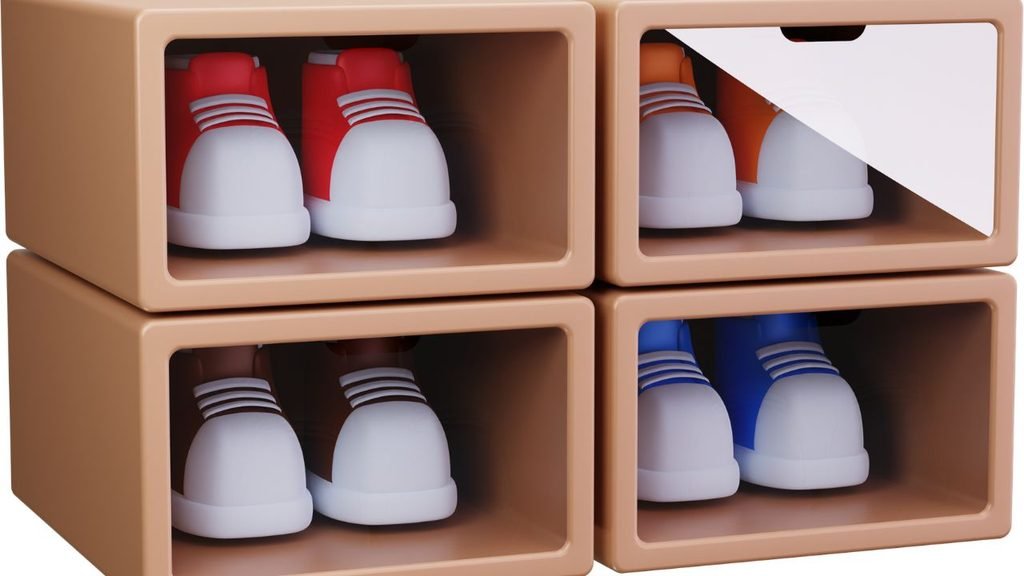
Choose a cabinet or bench for a tidier entry
A cabinet hides shoes and can make an entry look less cluttered, but its interior may limit what fits. Check the inside height and depth, not only the outside dimensions, and consider whether the doors allow enough room for wider shoes. A storage bench adds a place to sit, though it needs a firm surface and regular cleaning to keep dust and grit from building up.
Find the Right Fit for Boots, Heels, and Other Footwear
A listed pair capacity can be misleading if the shelves don’t suit your shoes. Tall boots, high-tops, wide sneakers, and heels each need different space. Good shoe and boot rack organizers make room for those shapes without bending or squeezing footwear.
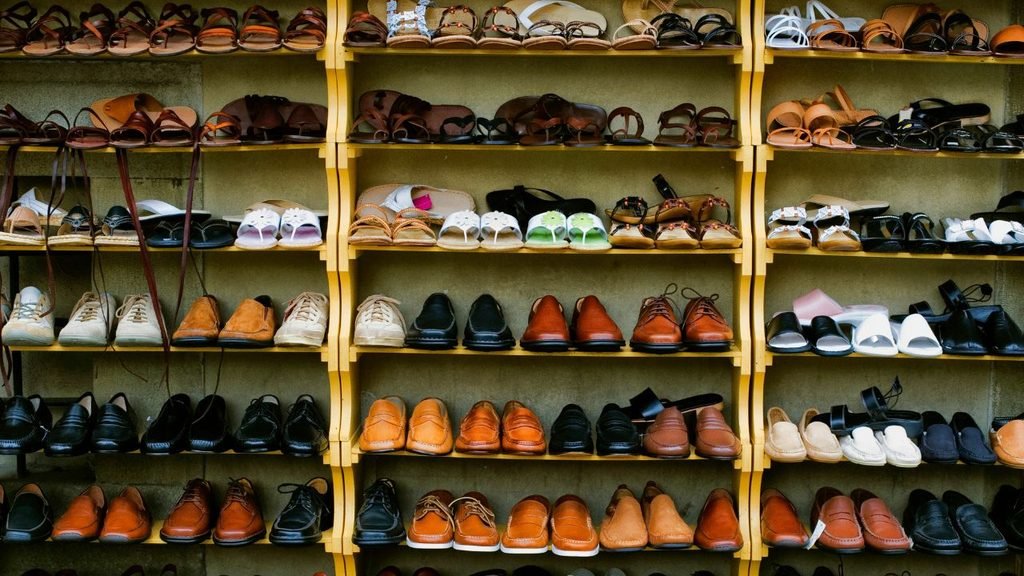
Measure boots before choosing a boot rack
Measure each boot’s shaft height and width, then compare those figures with the rack’s shelf clearance. Some tall boots need upright storage, while softer pairs may be stored flat if the maker’s care directions allow it. Boot supports can help some styles hold their shape, but don’t force a boot into a rack that pinches the shaft.
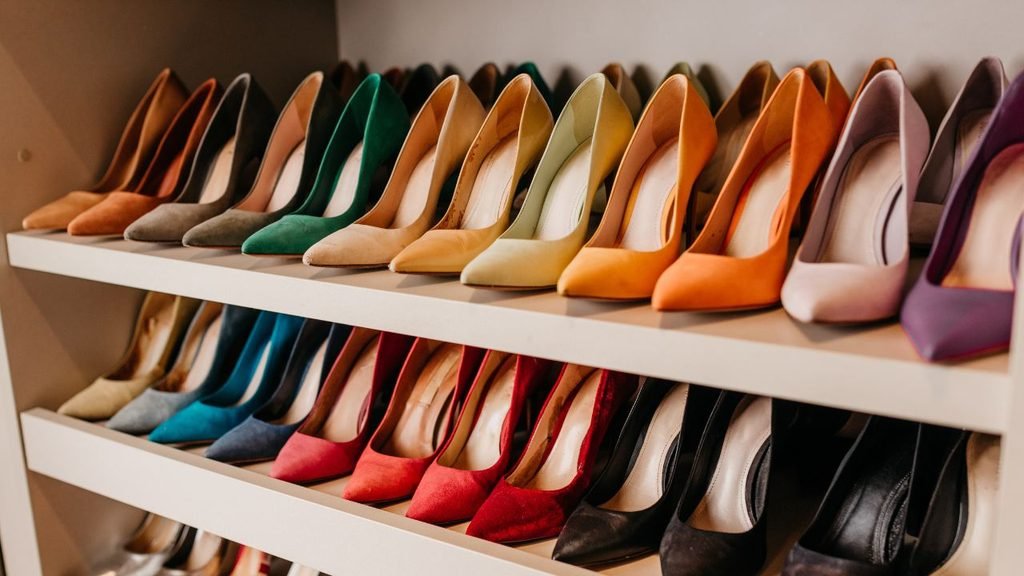
Check spacing for heels, sneakers, and bulky shoes
High heels need enough vertical room to sit without pressing against the shelf above. Wide soles and bulky sneakers may also reduce the number of pairs that fit side by side. If you can, compare your largest shoes with the rack’s shelf dimensions rather than assuming each space fits a standard pair.
Store delicate and specialty footwear with care
Dress shoes may need a clean, dry shelf away from damp boots and muddy soles. Slippers and sports shoes can go in easy-access sections, while seasonal pairs can be stored higher or in a closet. Follow care instructions for leather, suede, and other materials, since each may need a different storage method.
Measure Your Space Before You Buy
A rack that fits on paper can still block a door or crowd a walkway. Measure the intended spot and account for the space you need to put shoes on and take them off. Check the product’s listed dimensions against your measurements before ordering.
Measure width, depth, and height
Measure the wall or floor area where the rack will sit, including the space taken up by baseboards or nearby furniture. Check height if the rack will fit below a shelf, window, or coat hooks. For a cabinet or bench, compare the full outer dimensions and, where provided, the interior space with your shoes.
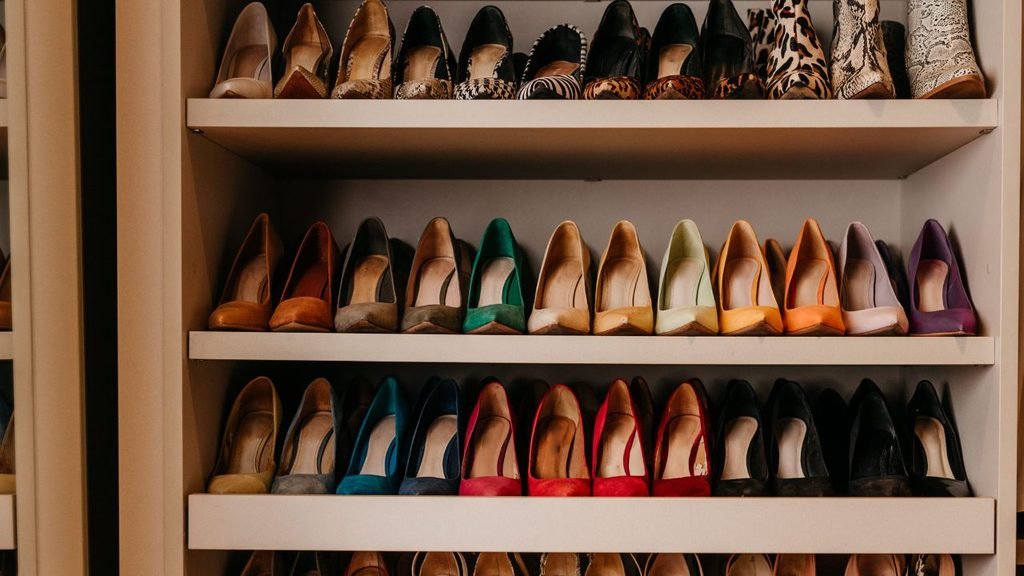
Plan for traffic flow and easy access
Leave room to open nearby doors and move through the entry without turning sideways. Keep racks clear of vents and other spots that need open airflow. Test whether you can pull out a pair without moving the rack or shifting the shoes around it.
Verify assembly, mounting, and weight needs
Read the assembly steps before buying, especially for tall racks or wall-mounted units. Check what tools and hardware come with the product, and confirm that the wall or door can support the setup. Use the manufacturer’s stated load limits and don’t assume every shelf can hold the same weight.
Keep Shoe Racks and Organizers Useful
A good storage setup still needs a simple routine. Grouping shoes and dealing with dirt before it spreads can keep the rack useful day after day. Revisit the arrangement when seasons or household needs change.
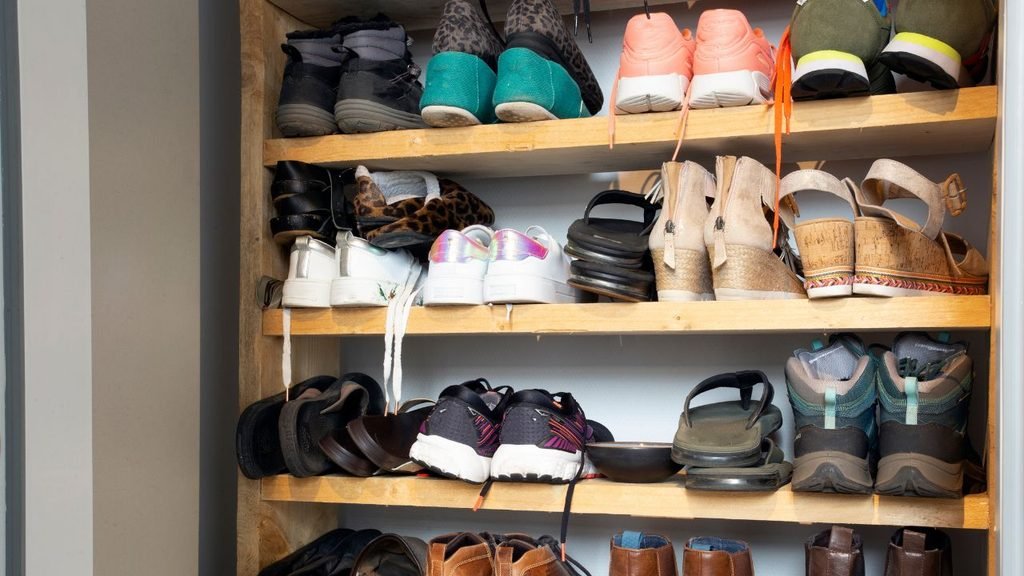
Group shoes by person, purpose, or season
Give each household member a shelf or a set spot to reduce the morning search. Keep daily shoes near the door and less-used pairs in a closet or higher section. Separate work, sports, and dress shoes if that makes your routine easier.
Protect floors and shoes from dirt and moisture
Let damp footwear dry before putting it away, and use a washable mat or tray beneath an open rack when useful. Brush off loose dirt so grit doesn’t spread across shelves or floors. For delicate materials, follow the care guidance for that shoe rather than using a one-size-fits-all cleaner.
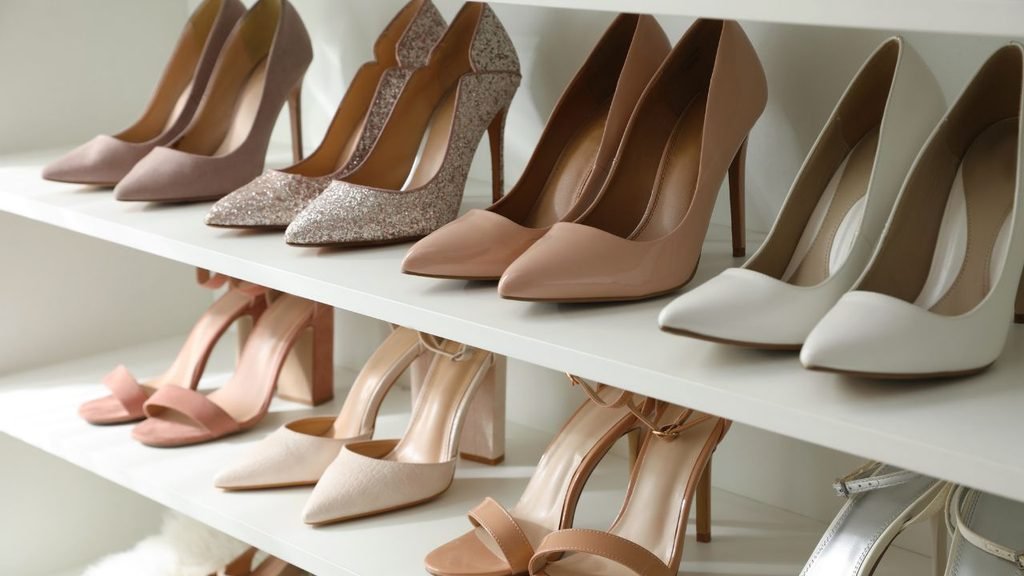
Reassess the setup as needs change
Move seasonal shoes into easier reach when the weather shifts, then store pairs you won’t wear for a while. Remove shoes that no longer fit or get used to free space for the pairs you reach for most. If the collection outgrows the rack, check whether a closet shelf or second storage spot makes more sense than crowding every shelf.
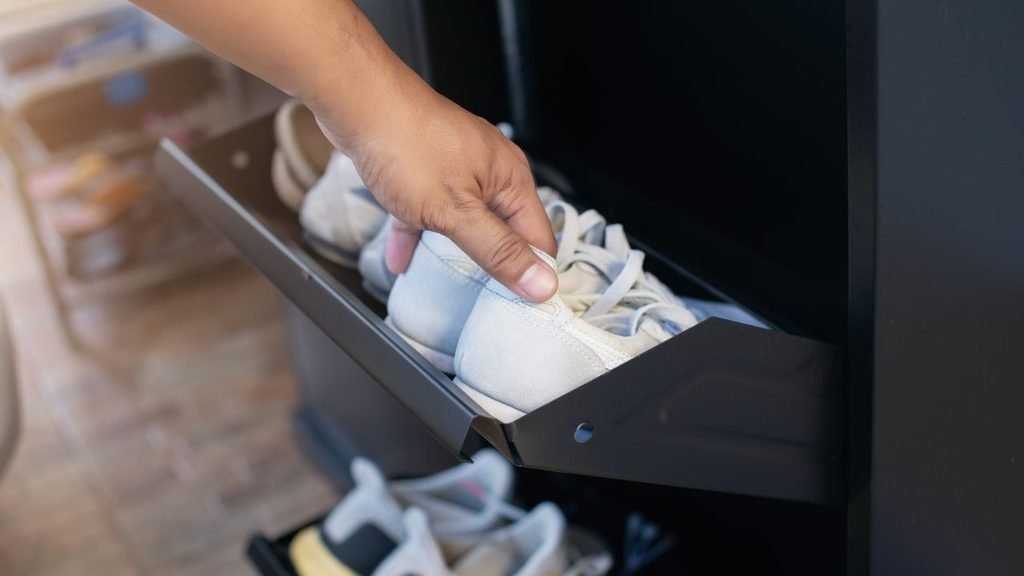
Make a Confident Choice and Put Every Pair in Its Place
The right shoe racks and organizers fit your space, footwear, and daily routine. Count the pairs you need to store, measure the spot, and confirm shelf clearance, assembly needs, and load limits before you choose. Compare racks, cabinets, benches, and shoe and boot rack organizers using those details, then pick the one that makes your entry easier to use
.