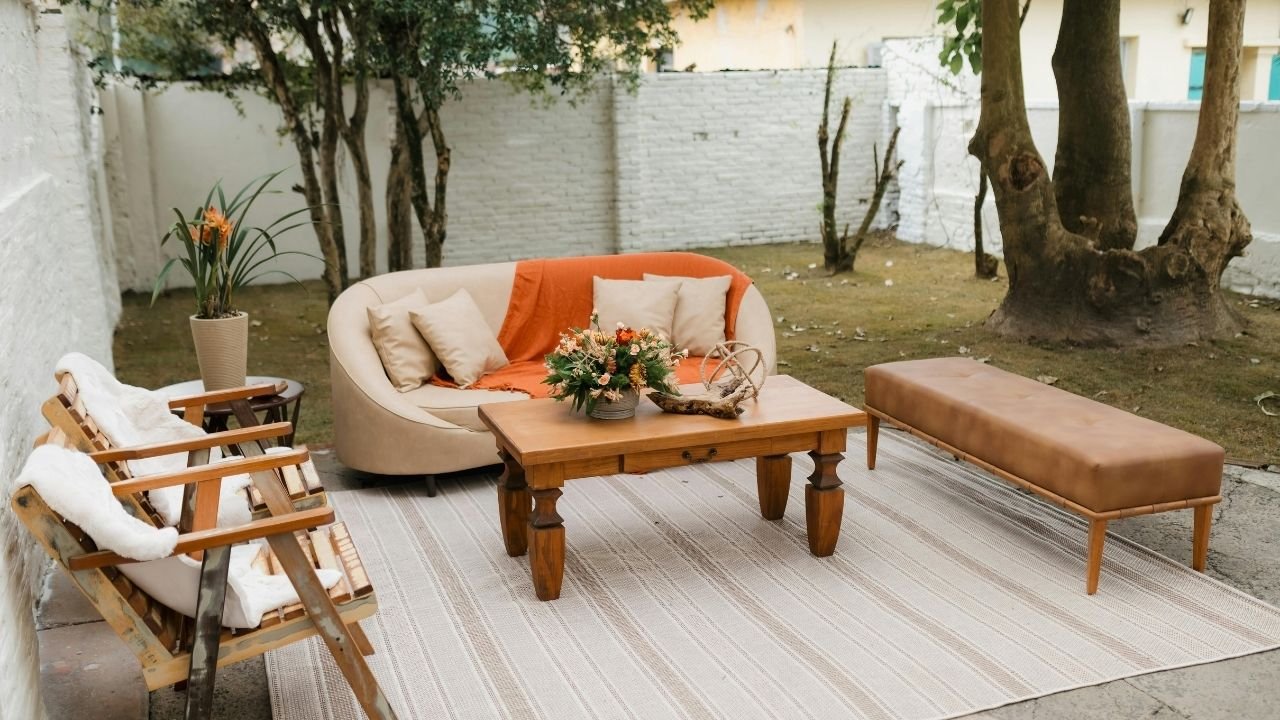

A dark wood chest with iron straps can change the temperature of a room. Its worn corners, carved panels, and heavy lid bring the feeling of old houses, long journeys, and hands at work.
Spanish colonial furniture carries that sense of place because it grew from centuries of Spanish, Indigenous, and regional traditions. It fits naturally in an adobe home, a historic bungalow, or a clean-lined modern room when you give it space to breathe. Its history, details, regional forms, and buying basics reveal why these pieces still feel so alive.
What Makes Spanish Colonial Furniture Easy to Recognize?
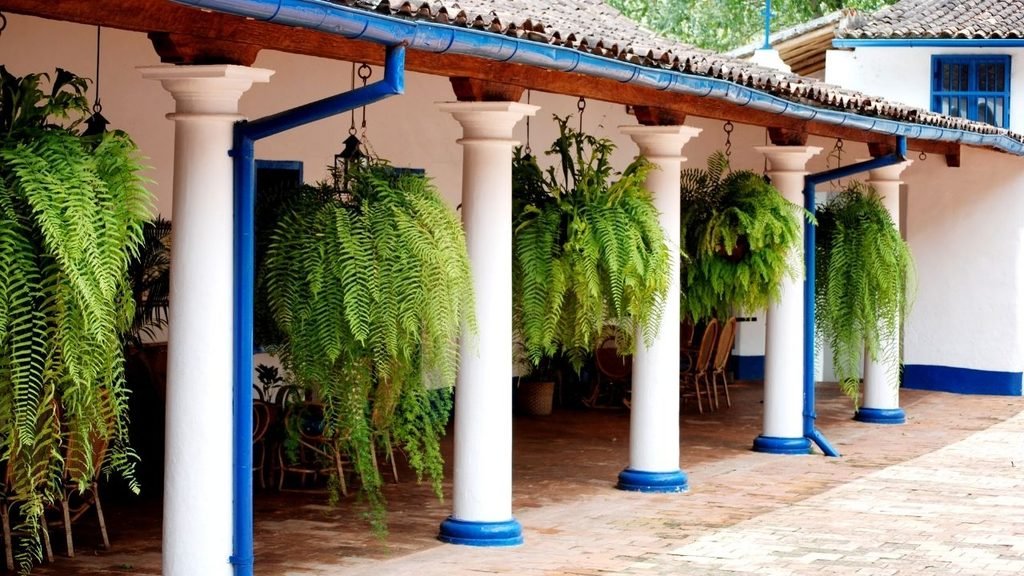
Spanish colonial furniture is a broad family of furnishings made in areas shaped by Spanish rule, including Mexico, Central and South America, the Philippines, and the American Southwest. Spanish forms arrived with settlers, clergy, and traders. Local makers then adapted them to local materials, climates, and customs.
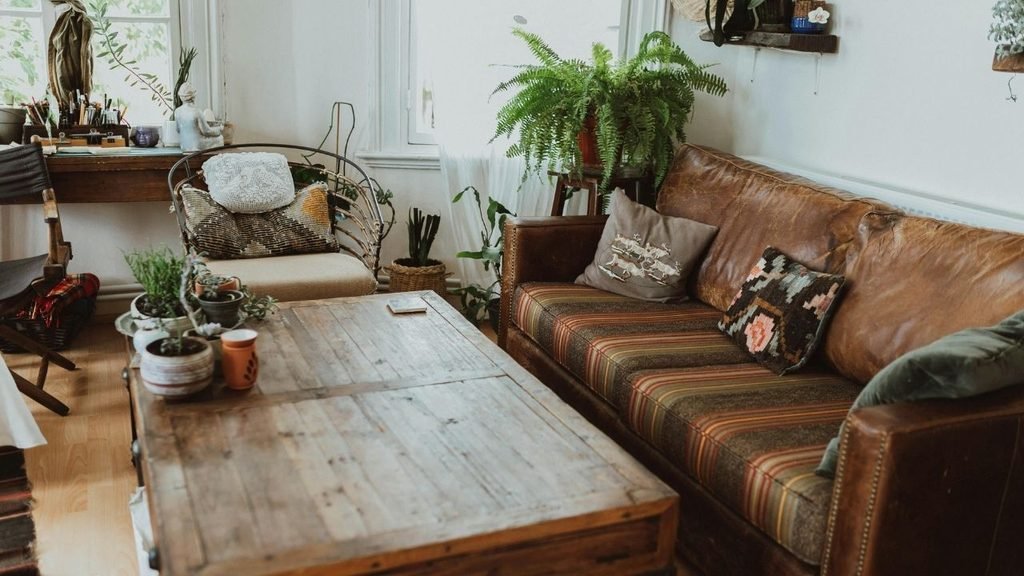
The result is sturdy, warm, and useful furniture. A chest needed to hold linens or valuables. A table needed to support daily meals. A chair needed to survive years of family use. Fine polish mattered less than sound joinery, thick wood, and practical hardware.
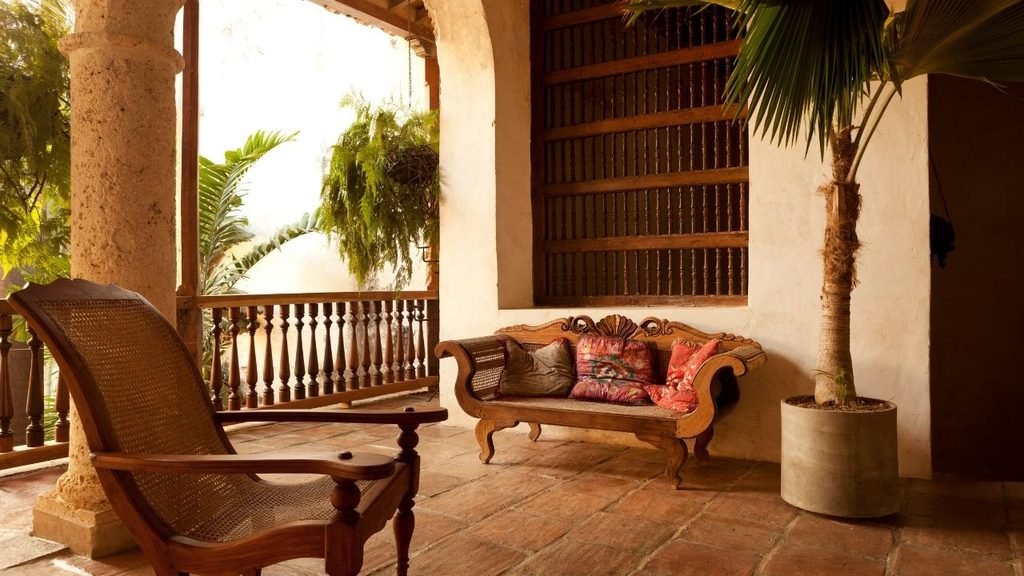
Although people often picture dark, heavy pieces, Spanish colonial furniture doesn’t follow one fixed formula. Mexican carving differs from New Mexican pine work, while Philippine designs may show Asian patterns and tropical materials.
The Materials and Details That Give It Character
Walnut, pine, cedar, mesquite, leather, wrought iron, and woven rush appear often in this tradition. Thick planks, pegged joints, hand-carved panels, turned legs, nailhead trim, and iron ring pulls give each piece weight and texture.
Warm stains often highlight grain rather than hide it. Tool marks, uneven color, and small surface changes can suggest handwork. However, those clues don’t prove a piece is antique. Skilled reproduction makers can create similar effects.
How Spanish Colonial Style Differs by Region
Mexican furniture often carries bold color, religious imagery, and fuller carving. In contrast, New Mexican and Southwestern pieces tend toward plain, heavy pine forms suited to ranches and adobe homes.
South American makers used regional hardwoods and distinct carving traditions. Philippine furniture brought together Spanish layouts, tropical wood, cane, and Asian decorative influences. The name describes a connected heritage, not a single furniture blueprint.
Spanish colonial furniture: history, craft, and lasting appeal
Spanish Renaissance and medieval furniture provided the starting point. Trade routes and colonial settlement carried those ideas overseas, where local craftspeople reshaped them. Furniture had to endure humid heat, long transport, large households, and the demands of churches and missions.
Storage chests, trestle tables, settle benches, armchairs, writing desks, and cabinets all met daily needs. Their solid surfaces now add welcome texture to rooms filled with smooth drywall, glass, and metal.
Historic Pieces Worth Knowing
The vargueño is a portable writing cabinet with a drop-front desk and rows of small interior drawers. It could hold papers, ink, and valuables, then close into a compact chest. The Hispanic Society’s vargueno collection guide shows why this form became one of Spain’s most recognizable furniture types.
An arcón is a large storage chest, often secured with iron hardware. Trestle tables supported food and work, while high-backed chairs and benches gave rooms a formal, grounded shape. Devotional cabinets stored sacred objects in homes and religious spaces.
Why the Style Still Works in Modern Rooms
One strong piece can anchor a room without turning it into a period set. Place a carved chest against plain plaster walls, or set a dark table beside linen curtains and lighter rugs. An iron-accented cabinet also works well as a focal point in an entryway.
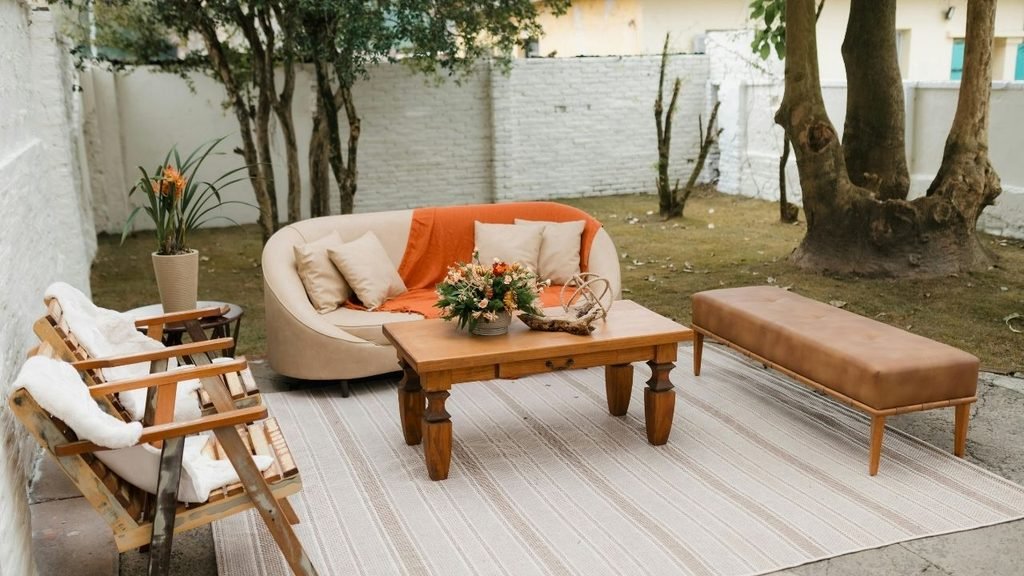
Elements of furniture made of wood
Balance matters. Natural fabrics, pottery, woven baskets, simple lamps, and open wall space keep the wood from feeling too heavy. Let the furniture bring the history, then allow the rest of the room to stay calm.
How to Buy Authentic Spanish Colonial Furniture and Care for It
Age alone doesn’t determine value. Rarity, region, craftsmanship, condition, size, and documented ownership history can all affect price. Before buying, decide whether you want a collector’s object, a functional heirloom, or the look of the period.
| Type | What to Expect | Best Fit |
|---|---|---|
| Antique | Original materials, age-related wear, higher prices | Collectors and historic interiors |
| Reproduction | New construction based on older forms | Daily use and lower budgets |
| Revival piece | Later furniture inspired by colonial forms | Homes mixing old and new |
A well-made reproduction can offer the same visual warmth as an antique, with fewer worries about fragile joins or old finishes.
Signs of Quality and Authenticity
Inspect the back, underside, drawer interiors, joints, hardware, and wear patterns. Older furniture may show wood shrinkage, repaired cracks, oxidation, uneven surfaces, and wear where hands and feet made contact.
Machine-made screws, identical distressing, bright new hardware, and artificial wormholes often point to a newer piece. Ask for clear photographs, dimensions, restoration records, and ownership history. For an expensive purchase, hire a qualified antiques dealer or appraiser before committing.
Choosing the Right Piece and Keeping It Beautiful
Measure doorways, stairwells, and the intended room before purchase. Also test drawer movement, seat height, doors, and structural stability. A massive chest is beautiful only if it can enter the house and work in the space.
Keep antique wood away from direct heat, harsh sunlight, and sudden humidity swings. Dust with a soft cloth, use coasters and felt pads, and skip harsh cleaners. Treat old leather with products made for aged leather. A furniture conservator should handle major repairs, refinishing, or insect treatment because aggressive work can erase evidence of age.
A Piece With a Story in Its Surface
Spanish colonial furniture holds the marks of hands, places, and daily life. Solid natural materials, hand-built construction, iron hardware, regional variety, and practical forms give it lasting appeal