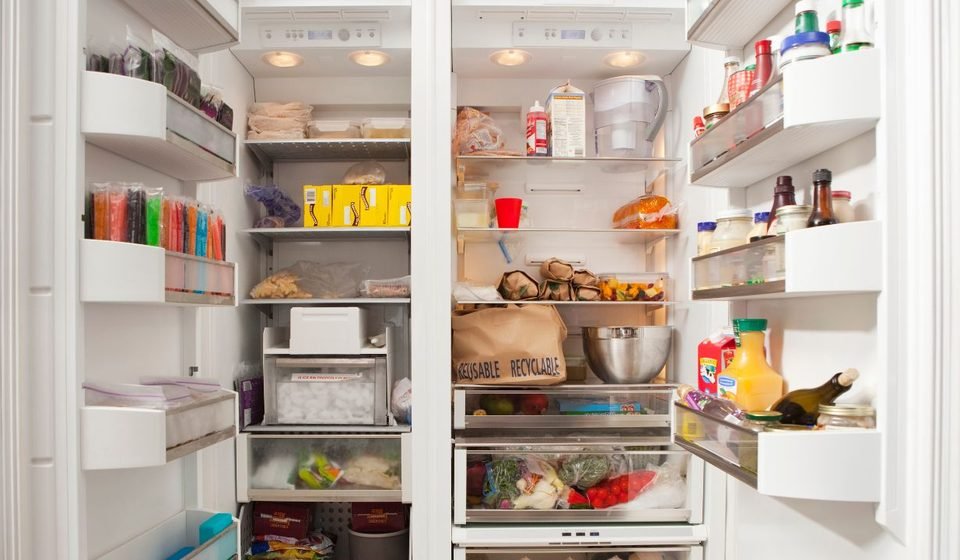

A half-open fridge door, three mystery containers, school lunches waiting to be packed, and someone asking what is for dinner: this is a familiar family scene. The refrigerator is doing its best, but when every shelf becomes a temporary landing spot, even simple meals feel harder than they should.
Aesthetic Fridge Organization Ideas for Busy Families are not about creating a showroom that nobody is allowed to touch. They are about building a simple system that makes the right food easy to find, keeps leftovers visible, and gives every household member a place to put things back. With a few realistic zones and a short reset routine, the fridge can feel calmer without demanding an entire afternoon or perfect discipline.
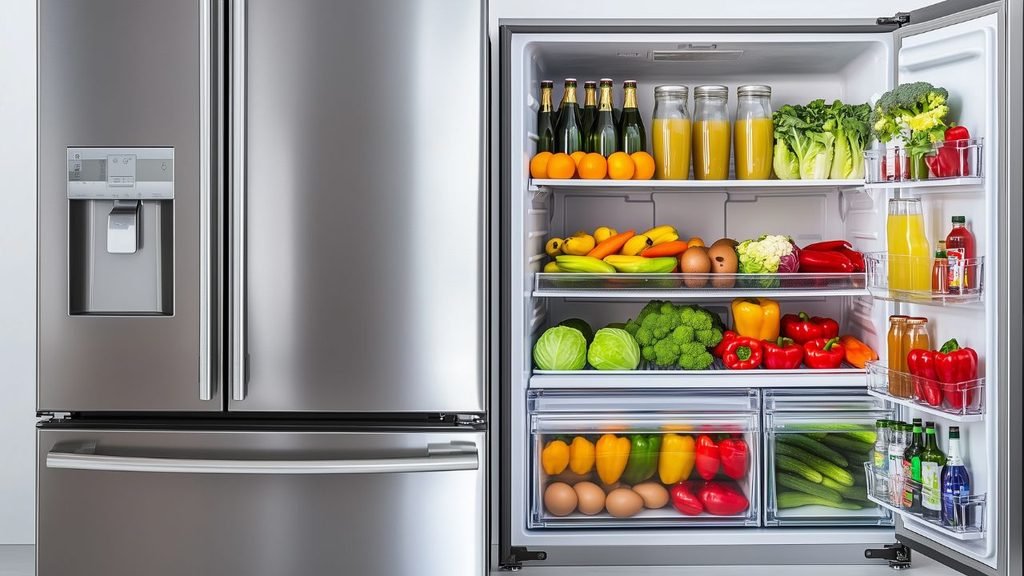
Quick Fridge Organization for Busy Families: The 15-Minute Reset
When the fridge feels crowded, start with a timer rather than an ambitious overhaul. A focused 15-minute reset is enough to make the next meal easier and reveal what is actually taking up space.
- Clear the obvious exits. Remove empty cartons, dried-out produce, leaking packages, and containers nobody recognizes. If an item requires a detective story, it probably needs a decision.
- Group like with like. Put drinks together, gather lunch ingredients, and move all leftovers into one temporary area. Do not worry about perfect placement yet.
- Wipe the busiest surfaces. Clean the main shelf, crisper edges, and door ledges with a food-safe cleaner suitable for the refrigerator surface.
- Choose three daily meal zones. Start with breakfast, lunch, and dinner. Add snack or drink zones only if the family will use them consistently.
- Put the next meal in view. Place tomorrow’s lunch ingredients or tonight’s dinner components where they can be seen first. Visibility is a practical form of planning.
| Small win: Stop when the timer ends. A fridge that is easier to use today is more valuable than a perfect arrangement that takes all afternoon. |
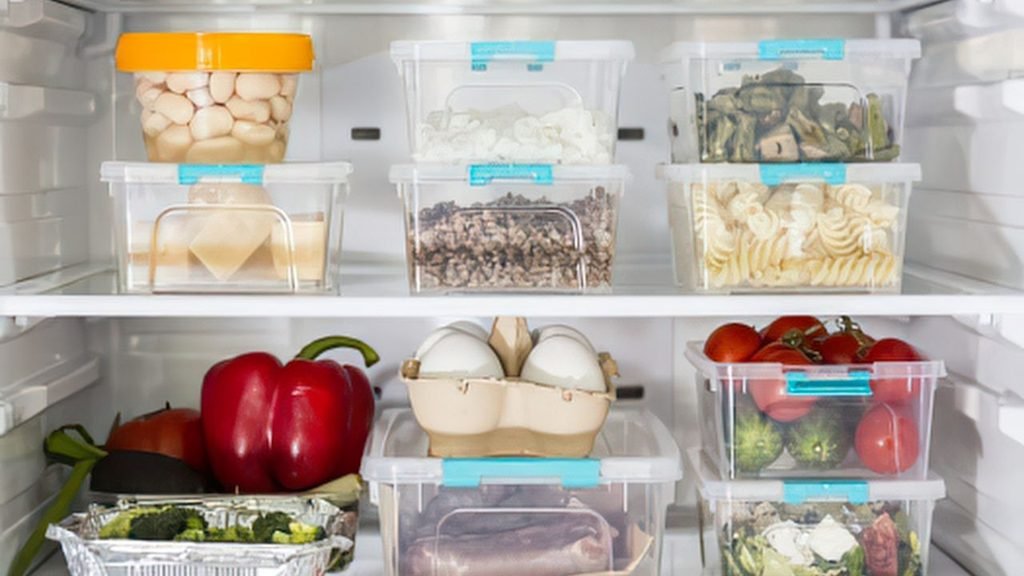
Aesthetic Fridge Layout Ideas for Families: Build Zones Around Real Routines
The most useful layout is not the one copied from a picture-perfect refrigerator. It is the one that matches how the family eats. If breakfast happens in a rush, keep breakfast items at eye level. If school lunches are packed beside the fridge, place lunch-building ingredients near the easiest-to-reach shelf.
| Zone | Useful items | Best placement |
| Grab-and-go breakfasts | Yogurt, boiled eggs, fruit, overnight oats | Eye-level shelf or front bin |
| Lunch-building ingredients | Cheese, deli fillings, washed vegetables, spreads | One handled basket on a middle shelf |
| Healthy snacks | Cut fruit, applesauce, hummus, individual portions | Low shelf or kid-accessible drawer |
| Dinner ingredients | Fresh vegetables, sauces, prepared proteins | Middle or lower shelf, grouped by meal |
| Leftovers | Labeled containers and ready-to-eat portions | One visible shelf, never hidden behind new groceries |
| Drinks | Milk, water, juice, sparkling water | Door shelves when weight and door design allow |
| Kid-accessible area | Approved snacks and easy-to-open foods | Lowest safe shelf or drawer |
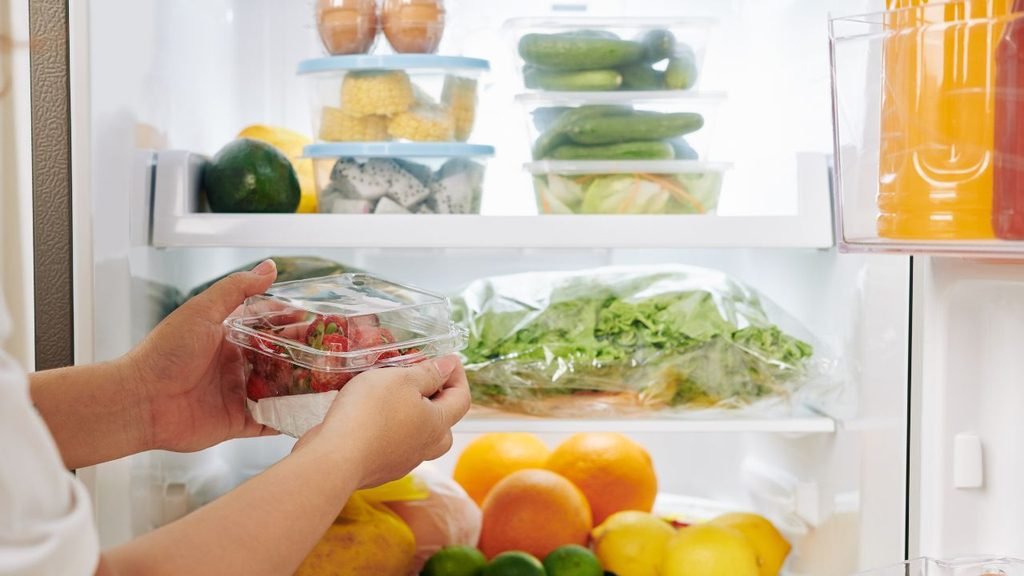
Aesthetic Fridge Storage Solutions for Families
Storage should make food easier to see and clean, not create another collection of fussy accessories. Choose sturdy pieces that fit the refrigerator’s actual dimensions and can be washed easily.
| Storage piece | When it helps | Practical note |
| Clear bins | Grouping snacks, breakfast items, or lunch ingredients | Use open-front bins so food is visible and easy to lift out |
| Handled baskets | Moving a complete lunch or breakfast category | Choose washable baskets with handles that do not overhang shelves |
| Slim trays | Containing jars, sauces, and small items | Useful for preventing spills from spreading across a shelf |
| Lazy Susans | Reaching condiments or small jars at the back | Use on stable shelves and avoid loading them with tall, heavy bottles |
| Labels | Helping everyone return items to the same home | Use removable, wipeable labels that match the actual contents |
| Stackable containers | Storing leftovers and prepared ingredients | Choose leak-resistant containers with flat, stable lids |
For stylish fridge organization for families, repeat one simple visual language: a few clear bins, consistent labels, and containers that stack neatly. Avoid blocking vents, forcing drawers shut, or placing heavy glass where it could fall. The prettiest solution is not useful if children cannot reach it or if unloading groceries becomes a balancing act.
Let the Family Routine Choose the Layout
The best fridge organization for busy households begins with observation. For two days, notice what gets opened first, what gets forgotten, and where everyone naturally reaches. A family that eats breakfast in the car needs a different setup from one that cooks a large breakfast on weekends.
Try these routine-based adjustments:
- Rushed mornings: Place breakfast foods together in one handled basket so a child or caregiver can lift it out in one motion.
- Lunch-packing evenings: Keep cheese, fruit, spreads, and washed vegetables in a single lunch zone rather than scattering them across shelves.
- Frequent home cooking: Group dinner ingredients by the next planned meal and keep them toward the front for quick access.
- Small refrigerator: Use one flexible bin for snacks and rotate categories instead of giving every food type its own permanent container.
- Crowded refrigerator: Store only current-use foods at eye level, move unopened backups elsewhere, and use the door for lighter items when the manufacturer’s design allows it.
Food Safety Still Comes Before Aesthetics
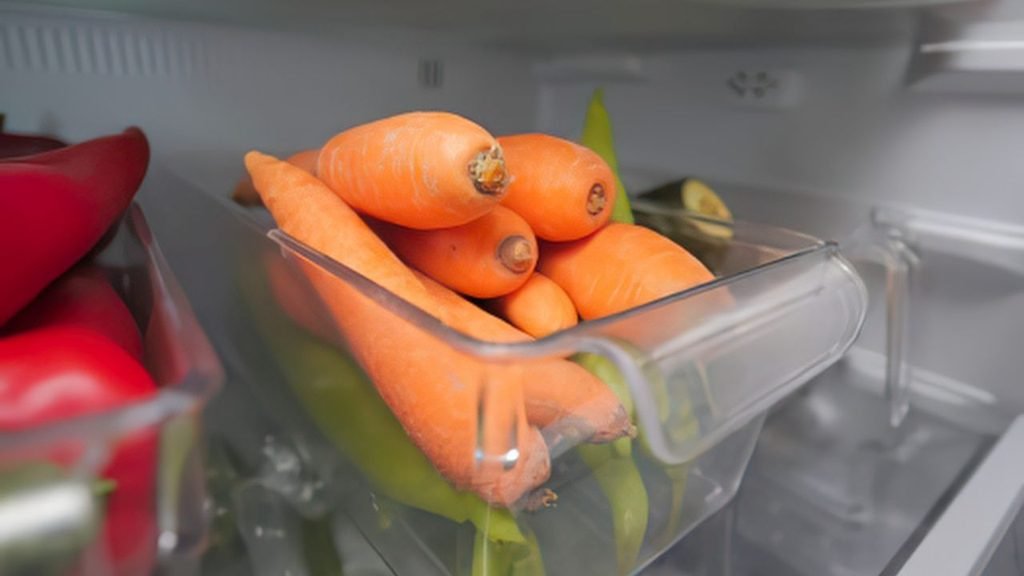
Keep raw meat sealed on the lowest shelf so leaks cannot drip onto ready-to-eat foods. Avoid overpacking because cold air needs room to circulate. Cool leftovers promptly in shallow containers, label them clearly, and follow package dates along with local food-safety guidance. Storage times can vary by food, preparation, refrigerator temperature, and handling, so exact timelines should not be treated as universal rules.
Family Fridge Organization Tips and Tricks That Prevent Clutter
An organized fridge stays organized when the rules are simple enough for a tired household to follow. Explain the system once, then make the shelves do most of the reminding.
- One home per item: Each category gets a defined place, even if that place is a shared bin.
- Eat-first placement: Put food that needs attention on the most visible shelf, with a small label such as “eat first.”
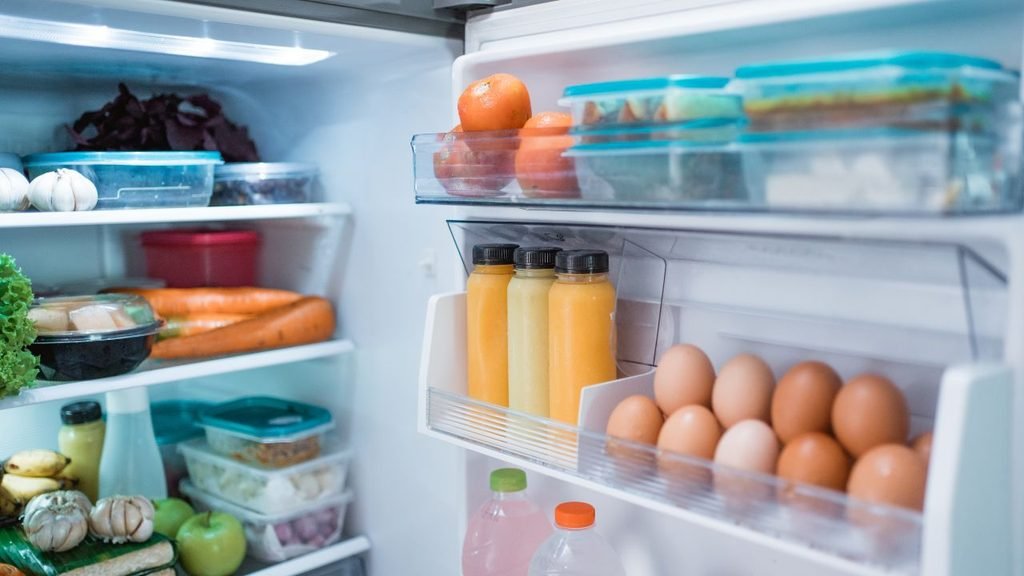
- Visible leftovers: Use clear containers or a dedicated leftovers shelf so dinner does not disappear behind condiments.
- Two-minute expiration scan: During grocery planning, check dates and remove anything clearly past its safe or usable point.
- Five-minute weekly reset: Return misplaced items, wipe one shelf, and bring older foods forward before the clutter becomes a project.
A Realistic Maintenance Routine
On school nights
Spend two minutes returning lunch ingredients to their zone and placing leftovers where they can be seen. If tomorrow’s breakfast is ready to grab, the morning starts with one less decision.
On weekends
Use five minutes to check the snack drawer, wash or discard tired produce, and adjust the kid-accessible area as children’s needs change. This is also a good time to wipe handles and drawer fronts.
On grocery day
Before unloading new food, move older items forward and complete a quick expiration scan. Do not fill every gap just because space is available; a little breathing room makes food easier to see and keeps the fridge from becoming a cold storage puzzle.
Saveable Fridge Reset Checklist
- Set a 15-minute timer for the first reset
- Remove empty, spoiled, leaking, or unidentifiable items
- Create breakfast, lunch, and dinner zones
- Add a snack zone that children can safely reach
- Place raw meat sealed on the lowest shelf
- Move older leftovers to the front and label them
- Avoid blocking vents or overpacking shelves
- Schedule a five-minute weekly reset
| Keep it livable: The system should survive busy weeks, rushed breakfasts, and the occasional container that mysteriously loses its lid. Aim for fewer decisions, not flawless shelves. |
Save this checklist for the next grocery day, or share the fridge zone that makes the biggest difference in your household.

Conclusion
The most effective aesthetic fridge organization ideas for busy families create a calmer kitchen without pretending that family life is perfectly tidy. Clear zones, visible leftovers, safe storage, and a few repeatable resets can turn the fridge from a crowded guessing game into a helpful daily tool. The goal is not a showroom. It is a refrigerator that supports real breakfasts, school lunches, quick dinners, and the people who rely on it.
FAQ
How do you organize a fridge for a large family?
Start with shared zones instead of one small container for every food. Keep breakfast, lunch-building ingredients, snacks, dinner ingredients, leftovers, and drinks in clearly defined areas, then reserve a low shelf or drawer for approved kid-accessible foods. Use clear containers so a crowded fridge still has visual order.
How do you keep an organized fridge?
Give every category one home, place older food at the front, and complete a five-minute weekly reset. A two-minute expiration scan before grocery shopping also prevents new items from burying food that needs attention.
Where should snacks go in the fridge?
Place safe, ready-to-eat snacks in a clear bin or low drawer that children can reach without climbing or moving heavy items. Keep foods that require adult preparation or careful handling higher up and follow the refrigerator’s storage guidance.
How often should you reset the fridge?
A five-minute weekly reset works well for many households, with a deeper 15-minute reset whenever the fridge becomes crowded or before a major grocery trip. The right schedule is the one the family can repeat consistently.