
There is a particular moment after moving into a rental apartment: the boxes are finally gone, the furniture is in place, and the room still feels strangely unfinished. The walls are clean, neutral and completely untouched—but they also look like they belong to someone else.
The good news is that you can decorate a rental apartment without painting and still create a space that feels personal, warm and beautifully designed. The trick is to stop treating the walls as the only place where personality can happen. Rugs, curtains, lighting, artwork, mirrors, plants, removable wallpaper and carefully chosen furniture can completely change the atmosphere without committing to permanent alterations.
That matters especially in rentals, where the lease may restrict painting, drilling or other changes. Removable and freestanding decorating solutions give renters much more freedom while keeping the eventual move-out process in mind.
So, if the landlord has said “no paint,” consider that a decorating challenge—not a decorating dead end.
How to Decorate a Rental Apartment Without Painting the Walls
The most successful rental interiors rarely depend on one dramatic change. Instead, they build personality through layers: a large rug, soft curtains, interesting lighting, textured cushions, artwork, greenery and one or two memorable focal points.
Before buying anything, look around the apartment and identify three things:
- What looks unfinished?
- What feels too plain or cold?
- What can be changed without permanently altering the property?
Then concentrate your decorating budget on those areas.
A blank wall does not necessarily need paint. A boring floor does not necessarily need replacement. An unattractive light fixture does not have to become a permanent renovation project.
Sometimes the solution is simply better styling.
1. Start With a Large Area Rug
A rug is one of the fastest ways to make a rental apartment feel more finished.
It adds color, pattern and texture while visually connecting the furniture. It can also help define separate areas in an open-plan apartment without installing walls or making structural changes.
For a living room, choose a rug large enough to visually anchor the seating area rather than placing a tiny rug underneath only the coffee table. In a bedroom, position the rug so it extends beyond the sides of the bed.
For maximum impact, look for:
- Vintage-inspired patterns
- Soft geometric designs
- Natural-looking textures
- Neutral rugs with subtle contrast
- Warm earthy colors
- Layered rugs for a collected appearance
And when the lease ends, the rug goes with you.
2. Create a Statement Wall Without Paint
If the apartment’s biggest problem is a large, empty wall, create a focal point without reaching for a paintbrush.
One of the most popular options is peel-and-stick removable wallpaper. It can introduce color, pattern or texture while avoiding traditional wallpaper installation. Current renter-focused design guidance commonly recommends using removable wallpaper on an accent wall, particularly behind a bed, sofa or dining area.
However, removable does not automatically mean risk-free.
Wall condition matters. Textured, damp, peeling or poorly bonded surfaces can behave differently from smooth, sound walls. Test a small inconspicuous section first and follow the manufacturer’s instructions before covering an entire wall.
Visual idea: A sophisticated rental living room with one botanical peel-and-stick accent wall, neutral sofa, vintage rug and warm lighting.
Similar text: Wall Decor Living Room: 45 Modern Designer Masterpieces
3. Build a Gallery Wall Without Making the Room Feel Busy
Artwork can give a rental apartment an identity almost instantly.
Instead of covering every available section of wall, choose one carefully planned gallery arrangement. A collection of 5–9 prints can look more intentional than a random collection of dozens of small frames.
For a polished result, repeat one element throughout the collection:
- Similar frame colors
- One consistent art style
- A limited color palette
- Similar spacing
- One dominant artwork surrounded by smaller pieces
If your lease permits removable hanging products, use products according to their weight limits and installation instructions. Otherwise, consider leaning artwork on shelves, consoles or furniture instead.
The goal is not to make the wall look decorated.
The goal is to make it look curated.
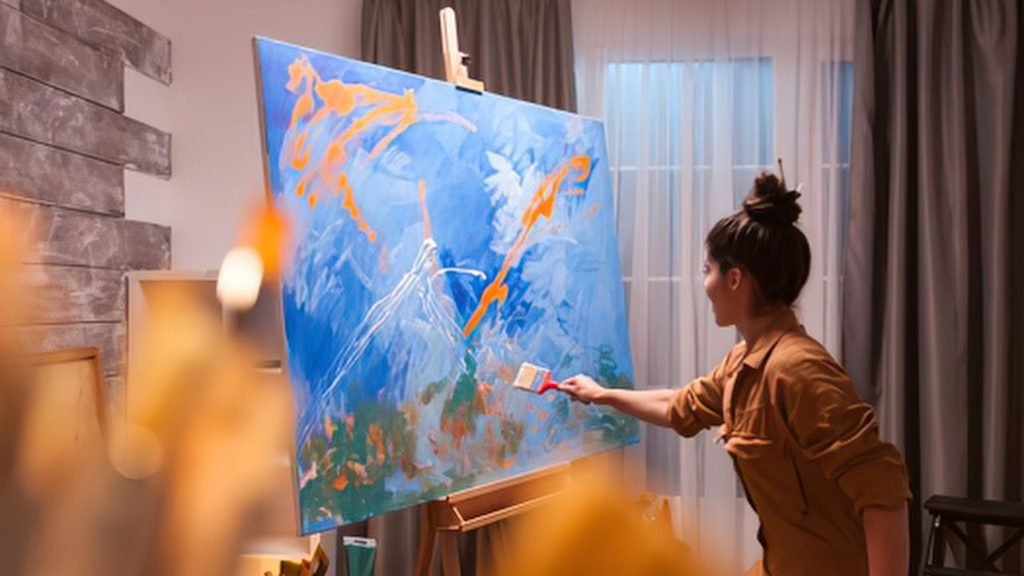
4. Use Oversized Art Instead of Painting
Sometimes one enormous piece of art can do what an entire painted wall would normally accomplish.
A large canvas, textile wall hanging or framed print creates a visual anchor and introduces personality without changing the wall itself.
This works especially well when the apartment has high ceilings or a large uninterrupted wall.
For a small apartment, one substantial artwork can also be more effective than many tiny decorations because it creates a stronger focal point without filling every inch of visual space.
A useful renter-friendly trick is to lean oversized artwork against a wall instead of hanging it. Place it behind a console, next to a sofa or above a low cabinet for an intentionally relaxed look. Leaning art is also easy to move when the furniture arrangement changes.
5. Make Curtains Part of the Design
Windows are often overlooked when renters decorate.
That is a mistake.
Curtains can introduce height, softness and color without changing the walls. Choose floor-length curtains when the room allows it, and use a suitable renter-friendly installation method if drilling is not permitted.
For a sophisticated appearance, coordinate the curtains with another element in the room—perhaps the rug, cushions or artwork.
Try:
- Linen-look curtains for an airy room
- Soft neutral curtains for a calm bedroom
- Patterned curtains for personality
- Full-length panels for visual height
- Layered window treatments where practical
The window becomes part of the design instead of simply being something that happens to be on the wall.
6. Let Lighting Do the Heavy Lifting
Bad lighting can make even beautiful furniture look disappointing.
Fortunately, lighting is one of the easiest ways to transform a rental without painting.
Instead of relying entirely on one ceiling fixture, create several layers:
Ambient lighting: General illumination for the room.
Task lighting: Desk lamps, reading lamps or kitchen lighting.
Accent lighting: Table lamps, picture lights or subtle decorative lighting.
Warm-toned bulbs can create a softer atmosphere than harsh, cool lighting. Floor lamps are particularly useful because they can occupy empty corners without requiring permanent installation.
And suddenly, that ordinary white rental wall starts looking less like a blank wall and more like a backdrop.

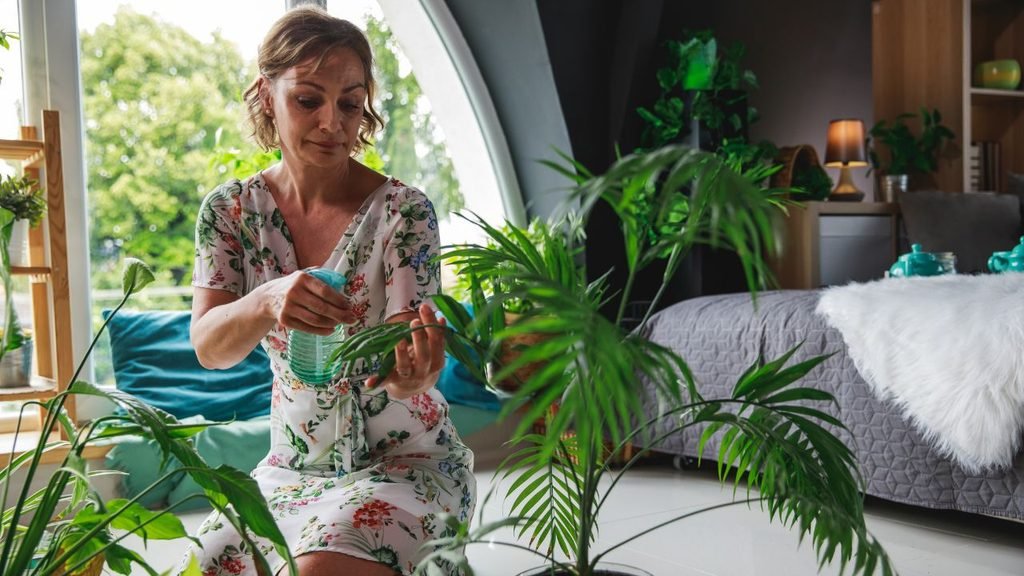
7. Bring in Plants and Natural Texture
Plants add life to spaces that otherwise feel overly neutral.
Large floor plants can fill awkward corners. Smaller plants can sit on shelves, windowsills and side tables. Trailing plants can soften bookshelves and cabinets.
If caring for plants is not your strongest talent, choose varieties suited to the light available in the apartment and your ability to maintain them.
You can also introduce natural texture through:
- Woven baskets
- Rattan furniture
- Wooden accessories
- Jute-style rugs
- Ceramic planters
- Linen textiles
Natural materials make a rental feel less temporary and more lived-in.
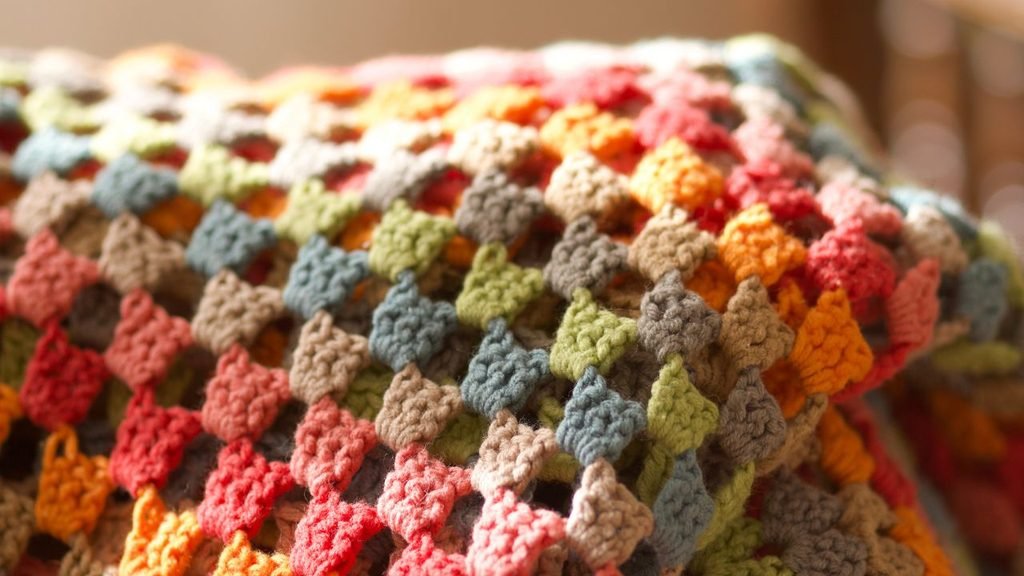
8. Change the Room With Textiles
When you cannot change the walls, change everything surrounding them.
A sofa can look completely different with a new combination of cushions and a throw. A plain bed can become a focal point with layered bedding. A dining area can feel more finished with a textured runner.
Instead of buying every accessory in the same color, choose a simple palette with three layers:
Base color: The dominant neutral.
Supporting color: A complementary shade.
Accent color: A smaller, more energetic color used sparingly.
This keeps the room cohesive without making it look like a furniture showroom.
9. Use Mirrors to Add Light and Depth
A strategically positioned mirror can make a rental apartment feel brighter and more spacious.
Place one opposite or near a window when possible so it can reflect available daylight. A large floor mirror can also become a decorative feature while remaining relatively easy to move.
For small apartments, mirrors are particularly useful because they create visual depth without taking up much floor area.
Choose the frame carefully. A vintage frame can add character; a simple black frame can make the room feel contemporary; natural wood can reinforce a warm, relaxed style.
10. Make Furniture the Color Statement
If the walls have to remain white, beige or gray, there is no reason the furniture has to be equally quiet.
A colorful accent chair, upholstered bench, patterned ottoman or interesting side table can become the room’s focal point.
Even one statement piece can change the balance of a neutral interior.
This is also where renters have a major advantage: furniture is temporary by nature. It can move with you.
A bold chair that looks perfect in today’s living room could become a bedroom reading chair in the next apartment.
Similar text: DIY Home Storage Ideas: 5 Ways to Double Your Space
11. Turn a Bookcase Into a Decorative Feature
A freestanding bookcase is more than storage.
It can become a vertical display that brings color and personality into the room without altering the wall.
Mix books with:
- Framed photographs
- Small plants
- Decorative boxes
- Ceramics
- Baskets
- Sculptural objects
- Travel souvenirs
Avoid filling every shelf. Leaving some breathing room makes the arrangement look more deliberate.
For renters, this is particularly valuable because the bookcase itself becomes a movable architectural element.
12. Try a Leaning Shelf or Ladder Shelf
A leaning shelf can provide storage and decoration while avoiding permanent wall installation.
Use it in a bathroom for folded towels, in a bedroom for accessories or in a living room for books and plants.
It also works well in narrow areas where conventional furniture might feel too heavy.
Just make sure tall or unstable furniture is appropriately secured when necessary, particularly in homes with children or pets.
13. Use Removable Decals in Small Doses
Wall decals can be a lower-commitment alternative to covering a whole wall.
Instead of applying a huge design across the room, consider a small arrangement above a desk, behind a bed or in a child’s room.
Botanical motifs, geometric shapes and simple line designs can add interest without overwhelming the apartment.
As with removable wallpaper, test the product on the actual wall surface first. Adhesives can interact differently with different paint finishes and wall conditions.
14. Make the Entryway Feel Intentional
The entrance sets the tone for the entire apartment.
Even a tiny rental entryway can benefit from a few carefully selected elements:
- A narrow runner
- A small bench
- A freestanding coat rack
- A mirror
- A basket for everyday items
- A small plant
- A decorative tray
The trick is to avoid turning the entryway into a storage pile.
Give everything a purpose.
A beautiful entrance that immediately becomes cluttered with shoes, bags and jackets will not stay beautiful for long.
15. Hide an Unattractive Rental Floor With Rugs
Sometimes the walls are not the biggest problem.
The floor is.
Maybe it is old tile. Maybe it is builder-grade laminate. Maybe it is carpet that would never have been chosen voluntarily.
Large rugs can visually disguise an uninspiring floor while adding warmth and texture. Renter-focused decorating guides repeatedly recommend rugs as one of the most useful reversible upgrades because they can dramatically change the appearance of a room and move to the next home.
Use multiple rugs to define zones in an open-plan space.
For example:
Living zone: Large area rug beneath the seating arrangement.
Dining zone: Flat-weave rug beneath the dining table.
Bedroom zone: Soft rug extending beyond the bed.
The apartment immediately feels more intentional.
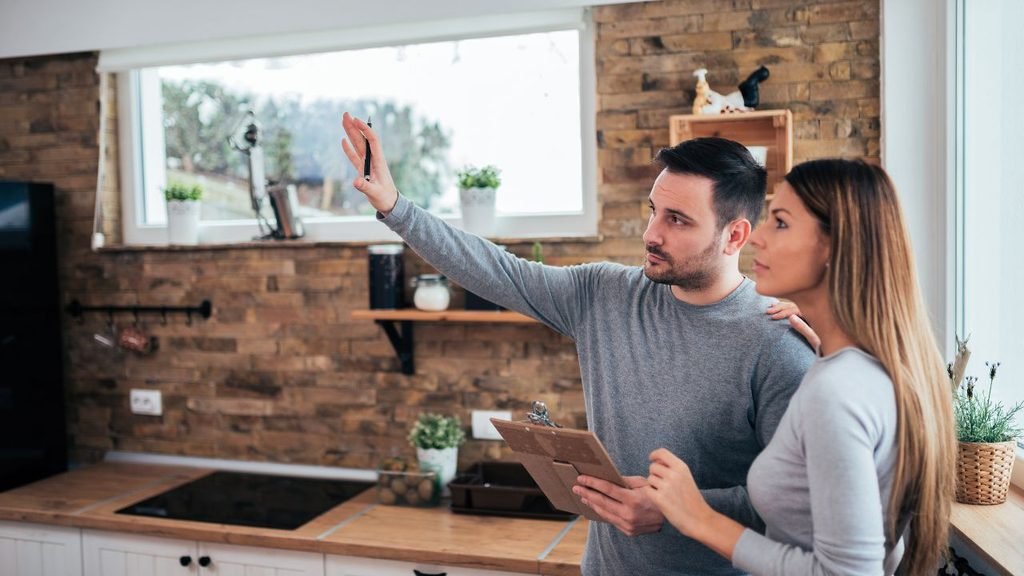
16. Decorate the Kitchen Without Renovating It
Rental kitchens often come with finishes chosen by someone who will never cook there.
Fortunately, there are temporary ways to add personality.
Try:
- A washable runner
- Attractive countertop storage
- Decorative cutting boards
- A fruit bowl
- Plants or herbs where appropriate
- Removable backsplash solutions where permitted
- Open shelving accessories
- Coordinated kitchen textiles
Keep countertops relatively uncluttered. A small number of beautiful objects generally makes more impact than twenty unrelated ones.
17. Give the Bedroom a Focal Point
A bedroom does not need a painted accent wall to feel luxurious.
Create the focal point around the bed.
Layer the bed with different textures, add two or three carefully selected cushions, place matching or coordinated lamps nearby, and use artwork or removable wallpaper behind the headboard if appropriate.
An oversized headboard can also provide the visual drama of an accent wall without changing the wall itself.
Think of the bed as the room’s main piece of architecture.
Similar text: Home Dressing Room Decor
18. Create a Cozy Reading Corner
An empty corner is an opportunity.
Place a comfortable chair, small side table, floor lamp and perhaps a plant in the space.
This creates a destination within the apartment rather than leaving every room arranged only around television watching or dining.
In a small rental, multifunctional furniture makes even more sense. An ottoman can provide seating, storage and a footrest. A console can serve as an entryway surface and work area.
19. Use a Consistent Color Palette
One common problem with rental decorating is adding too many unrelated colors because the walls cannot be changed.
Instead, choose a palette before shopping.
A simple formula is:
60% neutral + 30% secondary color + 10% accent.
For example:
- Cream + warm wood + olive
- White + charcoal + terracotta
- Beige + muted blue + brass
- Soft gray + natural wood + deep green
The exact colors matter less than repetition.
Repeat your accent color in three or four places around the room so it looks intentional.
20. Decorate Vertically
When floor space is limited, look upward.
Tall plants, floor lamps, bookcases, curtains and vertical artwork can draw the eye upward and make a room feel more finished.
This is particularly effective in compact apartments where every square foot matters.
Rather than adding more furniture to the floor, use height to create visual interest.
21. Use Freestanding Pieces Instead of Permanent Built-Ins
One of the smartest renter-friendly decorating principles is simple:
If you can make it freestanding, you probably don’t need to install it.
Choose:
- Freestanding wardrobes
- Storage cabinets
- Open shelving
- Room dividers
- Console tables
- Bar carts
- Floor lamps
- Clothing racks
These pieces can solve practical problems while also changing the character of the room.
And when the lease ends, they come with you.
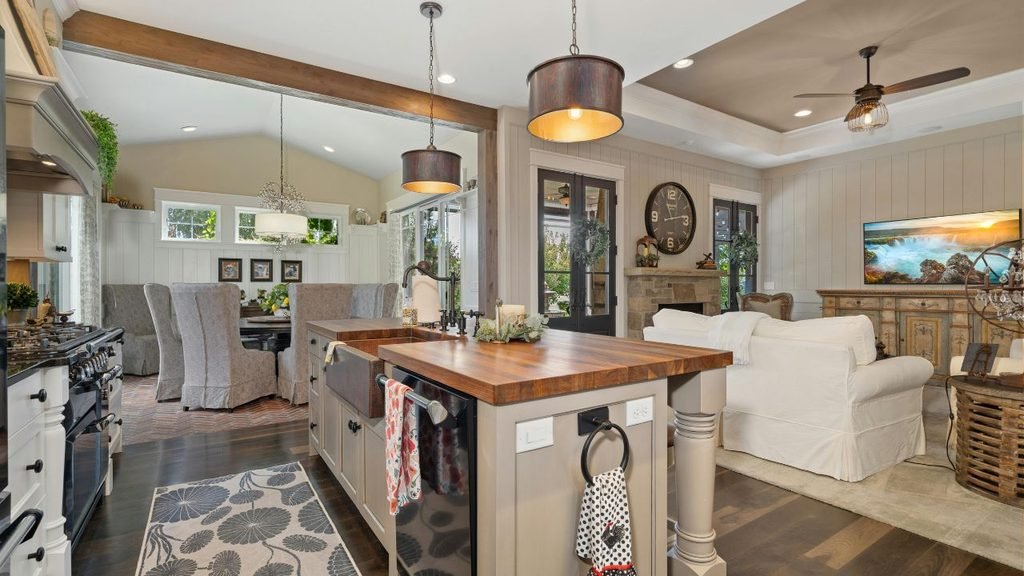
The Best Renter-Friendly Decorating Formula
If the apartment still feels plain after adding a few decorations, do not immediately buy more things.
Instead, check these six layers:
1. Floor: Is there a sufficiently large rug?
2. Windows: Do curtains add softness and height?
3. Lighting: Are there multiple sources of light?
4. Walls: Is there at least one strong focal point?
5. Furniture: Does the room contain one or two pieces with personality?
6. Texture: Are there enough different materials to keep the room visually interesting?
This approach is more effective than filling every empty surface.
A beautiful rental does not need more stuff.
It needs better relationships between the things already there.
What to Avoid When Decorating a Rental
The safest approach is to read the lease before making changes.
Even decorating methods marketed as “damage-free” are not guaranteed to work on every wall or surface. Adhesives can interact differently with paint finishes, wallpaper, texture and older surfaces. Current renter-focused guidance specifically recommends testing removable wallpaper and checking the condition of the wall before committing to a larger installation.
Be particularly cautious with:
- Permanent paint
- Drilling without permission
- Heavy objects hung with unsuitable hardware
- Adhesives not designed for the surface
- Wallpaper applied without testing
- Permanent lighting alterations
- Fixtures that require structural changes
When in doubt, ask the landlord or property manager before making a modification.
24 Rental Apartment Decor Ideas to Save for Later
For a quick inspiration checklist, save these ideas:
- Peel-and-stick botanical wallpaper
- Oversized leaning artwork
- Large vintage-style area rug
- Floor-to-ceiling curtains
- Layered table lamps
- Large floor mirror
- Freestanding bookcase
- Tall indoor plant
- Woven storage baskets
- Colorful accent chair
- Oversized leaning artworkt
- Coordinated cushion collection
- Removable wall decals
- Gallery wall with removable hanging hardware
- Leaning ladder shelf
- Statement headboard
- Small entryway bench
- Narrow hallway runner
- Freestanding room divider
- Decorative console table
- Warm-toned lighting
- Natural wood accessories
- Textile wall hanging
- A carefully chosen statement piece
The best part is that most of these ideas can evolve with the apartment.
Change the rug. Move the artwork. Rearrange the furniture. Swap the cushions. Take the plants to the next home.
Nothing has to be permanent for it to feel personal.
Final Thoughts
Learning how to decorate a rental apartment without painting is really about changing the decorating strategy. Instead of modifying the property itself, focus on the layers that surround it: rugs, furniture, lighting, artwork, curtains, plants, textiles and removable accents.
A rental apartment may arrive with plain walls, ordinary flooring and a very neutral personality. But those limitations do not have to determine how the finished space feels.
Start with one room. Choose one focal point. Add texture, improve the lighting, introduce a few personal pieces and resist the temptation to decorate every empty corner at once.
The result can be warm, stylish and unmistakably yours—without leaving a paint roller, a renovation bill or an unhappy landlord behind.
Save this guide for your next rental makeover, explore more renter-friendly decorating ideas, and see how small temporary changes can create a dramatically more beautiful home.



[…] Related Article: How to Decorate a Rental Apartment Without Painting […]