Most of us think we know how to wash laundry because we’ve been doing it since our first apartment, but the internet is actually filled with “fake” hacks that aren’t based on the science of fabric care. If you are still filling the detergent cap to the top and closing your washer door immediately after a load, you are likely leaving your clothes dull and accidentally turning your machine into a breeding ground for bacteria.
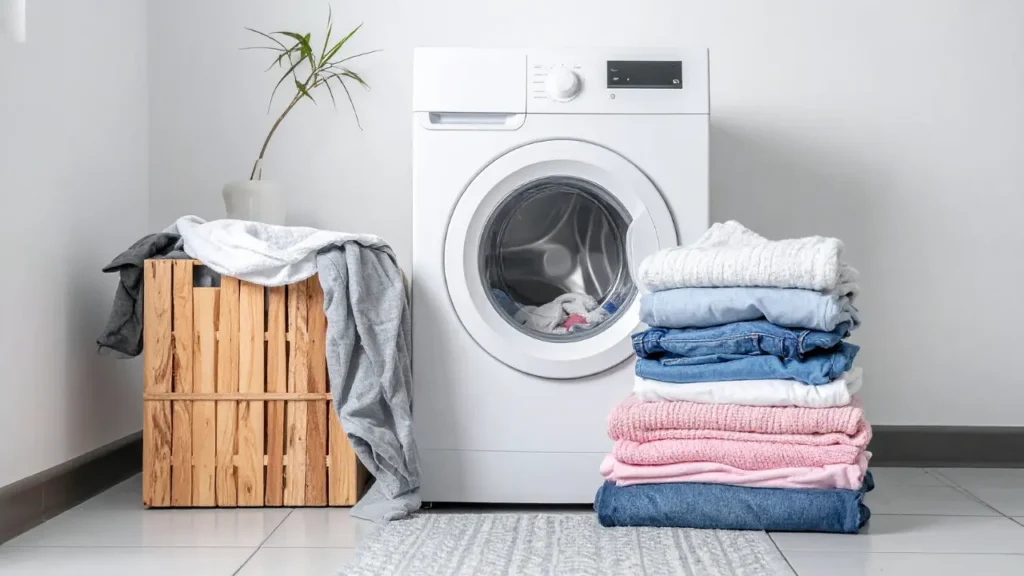
Learning how to do laundry better is about more than just getting rid of dirt; it’s a lifestyle shift that saves you money, prevents laundry mishaps, and makes your wardrobe last years longer. By mastering a few professional laundry tricks, you can stop the cycle of “laundry overwhelm” and keep your home running like a well-oiled machine.
1. The “3/4 Rule” for Cleaner Clothes
It is a common myth that bigger loads are more efficient, but overloading is actually one of the biggest reasons clothes stay dirty. Your garments need room to “flip” and tumble so that water and soap can actually penetrate the fibers. To ensure you are learning how to laundry the right way, never fill your drum more than 3/4 full. This simple change allows for the mechanical agitation necessary to lift soil effectively.
2. Ditch the Dryer Sheets for Wool Balls
If you want to know how to do laundry better while saving money, swap your expensive dryer sheets for wool dryer balls. Dryer sheets can leave a waxy residue on your clothing and can actually damage your machine over time. Wool balls keep your clothes separated so heat can disperse consistently, which fluffs the fabric and significantly speeds up drying time. You can even add a few drops of essential oil to the balls for a natural, fresh scent.
3. Use Ice Cubes to Erase Wrinkles
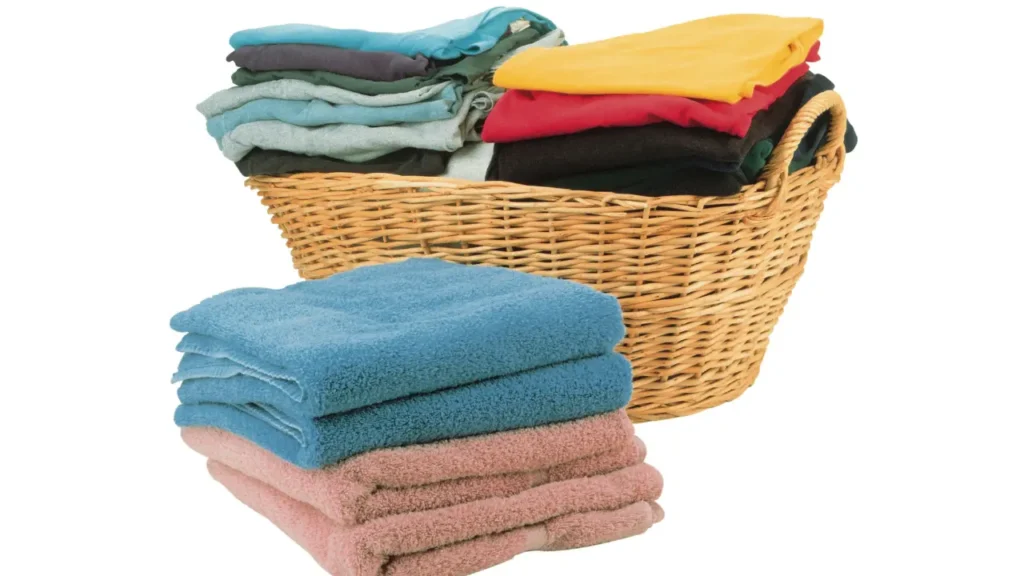
Forgetting a load in the dryer usually results in a wrinkled mess, but you don’t always need an iron to fix it. One of the best laundry hacks for busy mornings is to toss three or four ice cubes into the dryer with your wrinkled shirt. Run the dryer on high heat for about 10 minutes; as the ice melts, it creates steam that relaxes the fibers and makes wrinkles vanish.
4. Reverse Shrinkage with Hair Conditioner
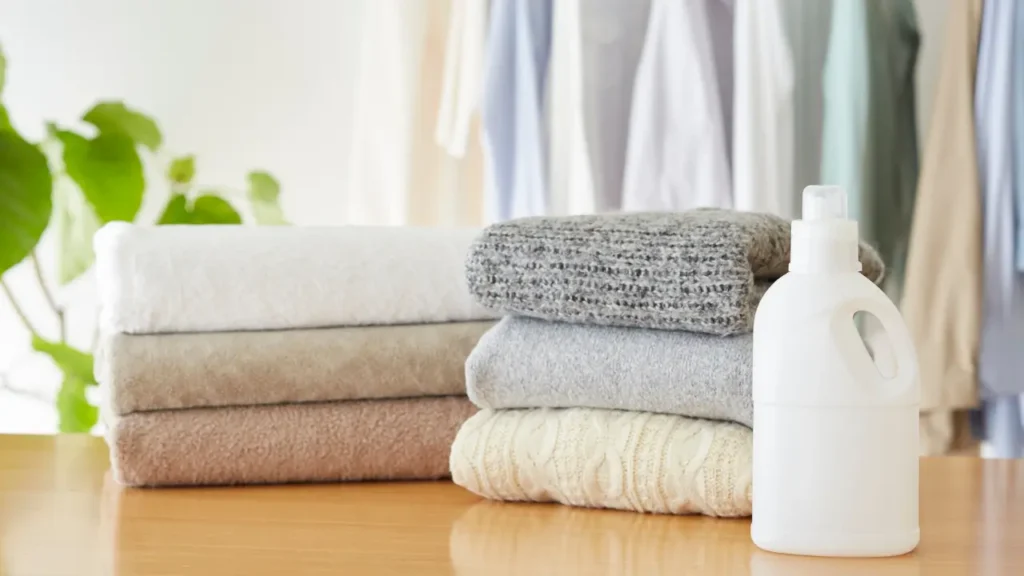
We’ve all had that heartbreaking moment where a favorite cotton or wool sweater comes out of the dryer two sizes too small. You can often “un-shrink” these items by soaking them in lukewarm water mixed with one tablespoon of hair conditioner for 30 minutes. The conditioner helps relax the fibers so you can gently stretch the garment back into its original shape by hand.
5. Sort by Weight, Not Just Color
While separating lights from darks is the standard advice, sorting by fabric weight is even more important for garment longevity. Washing heavy items like towels with light t-shirts creates excessive friction, which leads to pilling and makes your clothes look worn out faster. Heavy towels also act as “water hogs,” absorbing most of the detergent and leaving your lighter clothes less clean.
6. The “Salad Spinner” Secret for Delicates
If you’ve hand-washed a single delicate item and don’t want to wait days for it to air dry, use your kitchen salad spinner. It acts as a mini centrifuge, removing excess moisture without the damaging wringing or twisting that can ruin fragile fabrics. For even more moisture removal, lay the item on a microfiber towel and roll it up like a burrito, pressing firmly to absorb the water.
7. Recover Every Drop of Detergent
Most detergent bottles are designed in a way that prevents the last bit of liquid from pouring out. To save money and reduce waste, use a pair of pliers to pry out the plastic pour spout at the opening. You will be surprised to find a significant amount of detergent—sometimes enough for two more loads—stuck at the bottom.

8. Use Mesh Bags for “Lost” Socks
The mystery of the missing sock is usually solved by looking between the washer’s inner tub and walls. To prevent small items from disappearing into these “black holes,” place all socks, underwear, and baby items into a mesh laundry bag before washing. You can move the entire bag from the washer to the dryer, ensuring every pair stays together.
9. Master the “Vodka Spritz” for Blazers
Dry cleaning is expensive and often unnecessary for items that just need a quick refresh. A surprising tip for how to do laundry correctly between professional cleanings is to keep a mini spray bottle of cheap vodka in your laundry room. Spritzing the armpits or the entire lining of a blazer helps kill odor-causing bacteria without leaving a scent behind.

10. The 2-3 Tablespoon Detergent Limit
One of the most common laundry cleaning tips from experts is that you are probably using too much soap. Excess detergent creates too many suds, which actually traps dirt against the fabric rather than washing it away. For a standard load, you really only need 2 to 3 tablespoons of high-quality detergent. This prevents the waxy, dingy buildup known as “laundry film”.
11. Write Notes Directly on the Machine
If you live in a household where multiple people do the wash, communication is key to avoiding disasters. Use a dry-erase marker to write special instructions—like “Do Not Dry” or “Use Delicate Cycle”—directly on the lid or front of the washing machine. The ink wipes off easily with a cloth or a bit of rubbing alcohol once the load is done.
12. Use the “Delay Wash” for a Better Schedule
Don’t let wet laundry sit in the machine and get “skunky” because you forgot to move it to the dryer. Use the delay wash setting so the cycle finishes exactly when you wake up or get home from work. This ensures you can move the clothes immediately, preventing odors and the need for a re-wash.
13. Habit Stack Your Folding
The hardest part of any laundry routine is often the folding. To beat procrastination, try “habit stacking” by pairing folding with an activity you already do, like listening to a specific podcast, watching a favorite show, or talking to a friend on the phone. If you fold immediately after the dryer finishes, you also prevent new wrinkles from setting in.
Laundry Hacks: Vinegar is Your New Best Friend
If you buy only one extra item for your laundry room, make it distilled white vinegar. This pantry staple is essential for anyone wanting to know how to do laundry better without harsh chemicals.

- Fabric Softener Alternative: Vinegar breaks down detergent residue, leaving fabrics feeling soft and fluffy without the waxy buildup of commercial softeners.
- Odor Removal: Adding 1 cup of vinegar to the rinse cycle helps eliminate persistent odors like mildew or body smells from gym clothes.
- Brightening Whites: To refresh dull whites, soak them overnight in a mixture of one cup of vinegar and a gallon of hot water before laundering as usual.
- Preserving Denim: Before washing new jeans, soak them in a cold water bath with a cup of vinegar to help set the dye and prevent fading.
- Machine Cleaner: Running a hot water cycle with a couple of cups of vinegar helps reduce the microbes and gunk that make front-load washers stink.
DIY Clothing Care Tips
- Stain Removal Power Couple: For most organic stains, mix two parts hydrogen peroxide with one part dish soap. Apply it “on demand” for maximum stability and effectiveness.
- The Salt Trick: Table salt is a mild abrasive that can help lift fresh red wine, blood, or rust stains. Sprinkle it on a spill to absorb liquid before it sets.
- Pit Stain Paste: For yellow deodorant stains, make a pudding-like paste of baking soda and water (or hydrogen peroxide for extra whitening) and let it sit on the area overnight before washing.
- Inside-Out Strategy: Always turn graphic tees, leggings, and athletic wear inside out before washing. This prevents pilling and protects prints from cracking or fading.
Housekeeping Hacks: Beyond the Wash
- Lint Trap Safety: Always empty your lint trap after every load to prevent fire hazards and keep your dryer running efficiently. For a deeper clean, use your vacuum’s crevice tool to reach into the lint trap slot [I infer this based on general maintenance needs mentioned in 20, 103].
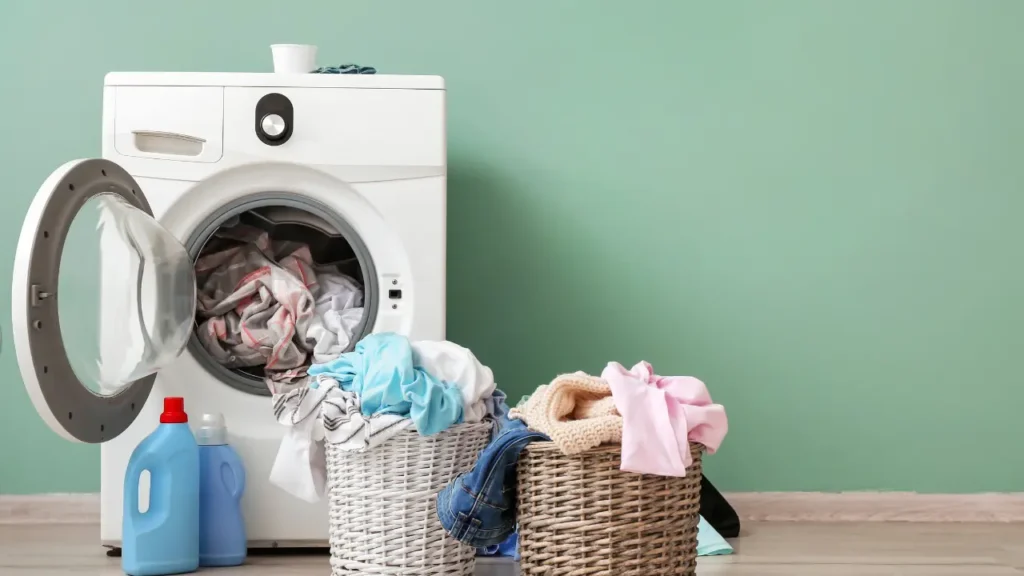
- Clean the Seals: In front-loading machines, moisture and dirt often get trapped in the rubber door gasket. Periodically wipe these seals and leave the door open for 24 hours after your last load to let the drum air out.
- The Ironing Board Refresh: You can clean the gunk off the bottom of your iron using a paste of baking soda and water; it’s abrasive enough to remove residue but won’t scratch the surface.
Common Mistakes (Stop Doing These!)
- Over-using Bleach: Too much bleach can actually damage fibers and make your whites look yellow over time.
- Washing Everything on Hot: Hot water is great for sanitizing towels and sheets, but it can shrink cotton and fade dark colors.
- Ignoring Care Labels: Those tiny icons tell you exactly what your garment needs; for example, a triangle with an “X” means no bleach, while dots inside a circle tell you the safe drying temperature.
- Tumbling Dry Stains: Never put a garment in the dryer if the stain didn’t fully come out in the wash; the heat will “set” the stain, making it nearly permanent.
- Closing the Washer Door: Keeping the door shut when not in use creates a dark, damp environment where mold and bacteria thrive.
The Quick-Reference Laundry Cheat Sheet
- Standard Detergent: Use 2-3 tablespoons per load.
- White Vinegar: 1 cup in the rinse cycle for softening and odors.
- Baking Soda: 1/2 cup to boost bleach power or deodorize.
- Water Temps: Cold for colors/delicates; Warm for everyday Jersey/cottons; Hot for towels/sheets/whites.
- Drying: 3/4 full drum; add a dry towel to speed up small loads.
- Wrinkles: 10 mins on high heat with 3 ice cubes.
FAQ: Your Burning Laundry Questions
How to do laundry correctly every time? Start by checking your pockets and turning clothes inside out. Use the correct amount of detergent (no more than 3 tablespoons) and select the water temperature based on the care label. Finally, leave the washer door open after the cycle to prevent smells.
How often should you wash towels? Laundry experts suggest towels should be washed every few uses—specifically after 3 to 4 uses if they are allowed to dry completely in between [I infer the 3-4 count based on common expert consensus, though source 159 notes it “depends on key factors”]. Always wash them in hot water to sanitize.

Is sorting really necessary? If you wash on cold, you can often mix colors that have been washed before. However, you should always separate by fabric weight (towels vs. tees) and wash new dark items (like jeans) separately for the first few cycles to prevent dye bleed.
What is the best way to dry clothes? Whenever possible, air dry or “line dry” to save energy and extend the life of your clothes. If using a dryer, use wool balls instead of sheets and avoid high heat for everything except towels and sheets.
How do I clean my washing machine? Run an empty load on the hottest setting with 2 cups of white vinegar. Regularly wipe the rubber door seals and use a toothbrush to scrub out any gunk in the detergent drawer.
Alternate Meta Descriptions
- Stop ruining your clothes! Discover 14 expert-backed laundry hacks, from the “ice cube trick” to the power of vinegar, for a cleaner, faster wash day.
- Want to know how to do laundry better? Learn the professional secrets for removing stains, saving detergent, and keeping your towels fluffy and fresh.
- Your ultimate guide to laundry tricks and DIY clothing care. Save time and money with these surprising housekeeping hacks for every home