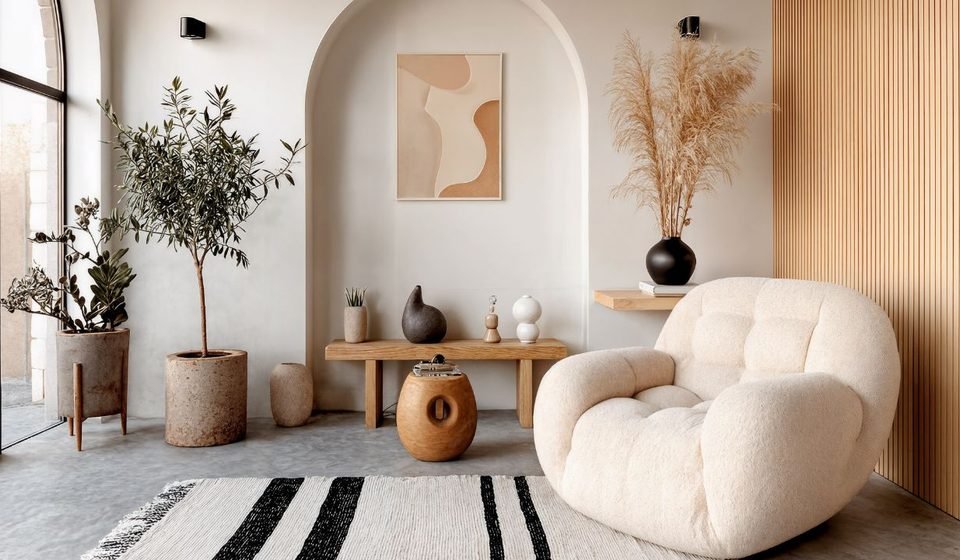

Minimalism can look beautiful in a photograph and strangely chilly in real life. The difference is usually not more decoration; it is better attention to light, texture, proportion, and the objects that make a room feel like it belongs to the people who use it.
Minimalist Cozy Interiors bring those ideas together. They use fewer, better-considered elements while keeping the softness of a blanket, the glow of a table lamp, the grain of wood, and the quiet pleasure of a book within reach. In this guide, you will find practical ways to create a calm home without turning it into a showroom.
| Quick takeaway: A cozy minimalist room is edited, not emptied. Keep what serves a purpose, supports comfort, or carries real meaning, then give each worthwhile element enough space to be noticed. |
What Are Minimalist Cozy Interiors?
Minimalist cozy interiors balance visual calm with physical and emotional warmth. The room may have a restrained palette and uncluttered surfaces, but it is not stripped of softness. A generously sized sofa, a wool or cotton rug, warm bulbs, linen curtains, and one carefully chosen piece of art can make a simple space feel deeply welcoming.
The approach is less about following a strict style label and more about making deliberate choices. Furniture should earn its footprint. Storage should make daily life easier. Decorative objects should have room around them instead of competing in a crowded display. The result is a home that feels lighter to move through while remaining comfortable at the end of a long day.
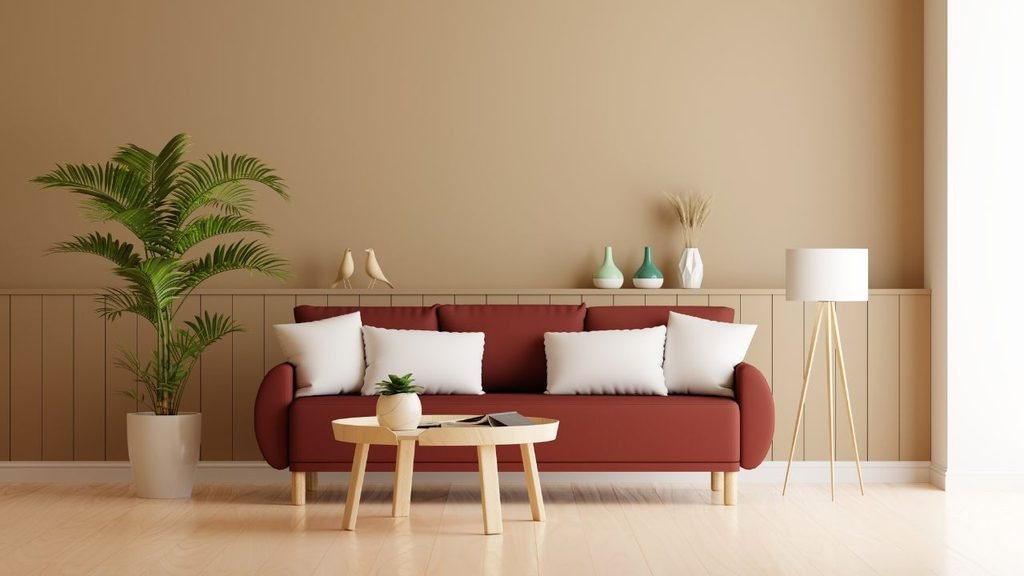
The British spelling appears often in searches for a minimalist cosy interior and minimalist cosy interior design. Whatever spelling you use, the principle is the same: remove visual noise, then add warmth through material, light, scale, and personal detail rather than through piles of accessories.
| Design priority | Minimalist focus | Cozy contribution |
| Visual space | Clear surfaces and breathing room | Comfortable proportions and a welcoming flow |
| Colour | A restrained, repeatable palette | Warm whites, earthy neutrals, and gentle contrast |
| Materials | Fewer finishes with a clear purpose | Wood, wool, linen, cotton, ceramic, and tactile surfaces |
| Decor | Edited objects rather than constant display | Books, plants, art, and keepsakes that add character |
| Function | Storage and furniture support daily habits | Everything feels easy to use, sit on, reach, and maintain |
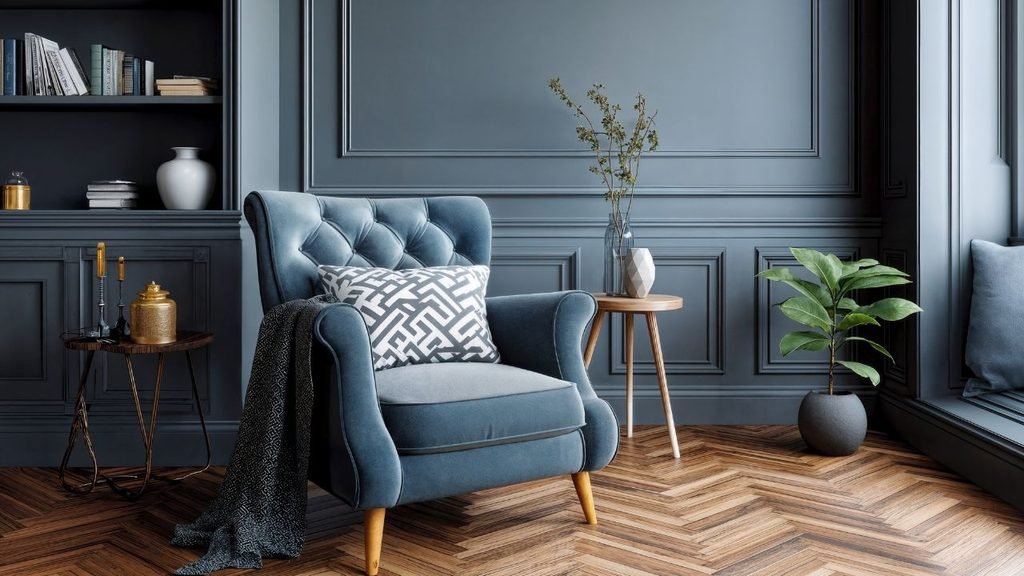
The Foundations of Minimalist Cosy Interior Design
The most successful rooms usually rely on a small set of decisions made consistently. Start with the elements that affect the whole space, then add detail where it improves comfort rather than simply filling an empty corner.
- Choose a restrained palette. Begin with two or three main colours, such as warm white, oatmeal, and muted sage. Add terracotta, charcoal, or a deep wood tone as a measured accent instead of introducing a new colour with every purchase.
- Layer the lighting. Aim for two or three useful levels: ambient light for the room, task light for reading or food preparation, and a softer accent source such as a lamp or wall light. One bright ceiling fixture rarely creates a restful evening mood.
- Use natural materials thoughtfully. Light wood, stone, rattan, ceramic, linen, and wool bring variation without visual busyness. They do not need to appear everywhere; two or three related materials can be more convincing than a catalogue of finishes.
- Make textiles do real work. Curtains soften hard edges, rugs define zones, and cushions make seating inviting. Mix smooth and nubby surfaces, but keep the colour family connected so the room feels layered rather than loud.
- Select furniture for the way the room is used. A deep sofa may be perfect for lounging but awkward in a narrow sitting room. Consider circulation, door swings, storage needs, and the number of people who regularly use the space before choosing a silhouette.
- Edit and hide storage. Closed cupboards, baskets, drawers, and built-in shelving keep everyday objects available without placing every object on view. Minimalism does not mean owning no supplies; it means giving supplies a sensible home.
- Protect negative space. Leave some wall, tabletop, and floor area intentionally open. Empty space acts like a pause in a sentence, allowing the furnishings that remain to feel more considered.
- Keep a few meaningful objects. A framed print, handmade bowl, travel memento, or leafy plant can carry more personality than a dozen generic accessories. Rotate collections seasonally if every favourite cannot be displayed comfortably at once.
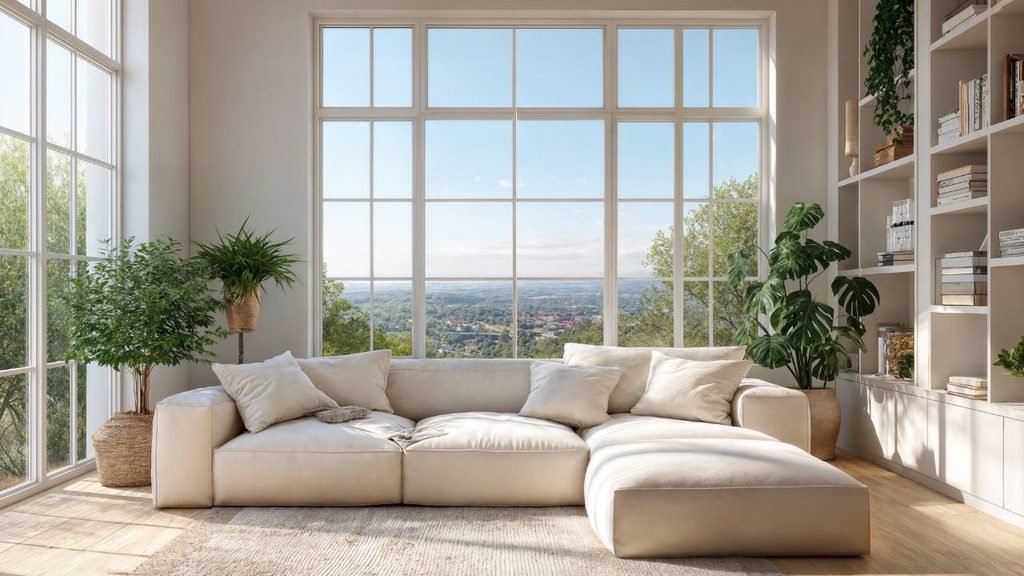
Minimalist Cozy Interior Ideas for Every Room
The easiest way to make the style practical is to translate the principles into small, room-specific moves. These ideas are designed to work in ordinary homes, where rooms have awkward corners, busy schedules, and the occasional laundry pile that refuses to become part of the aesthetic.
Living room
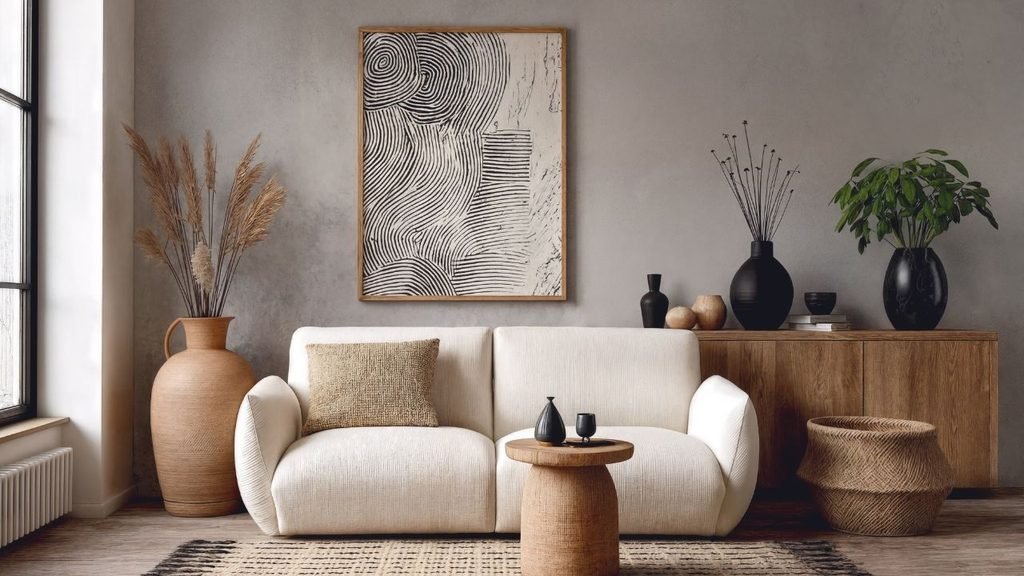
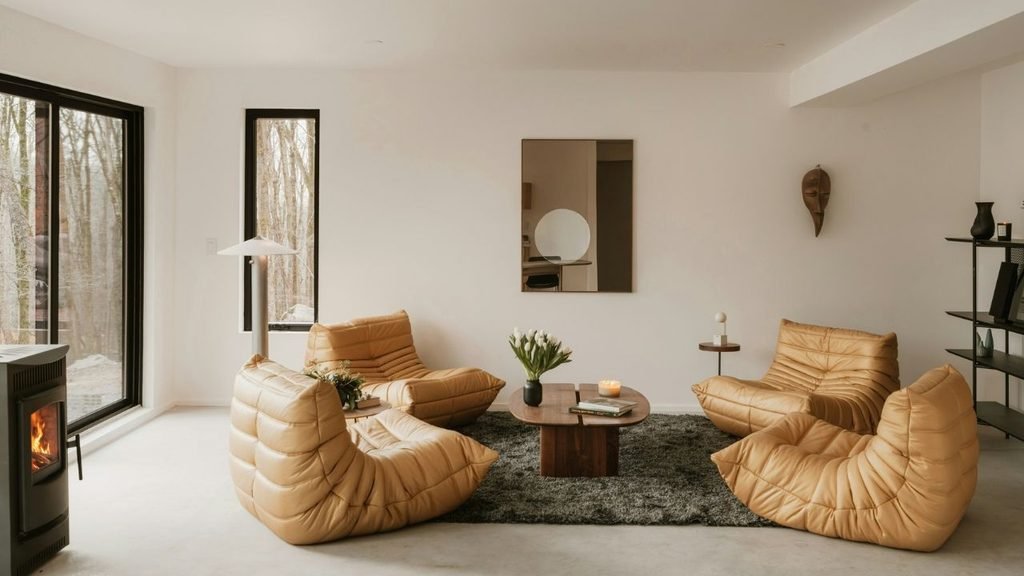
Anchor the seating around one clear purpose: conversation, reading, watching films, or a combination of the three. Use a rug large enough for at least the front legs of the main seating to sit on it, add one warm floor or table lamp, and keep the coffee table to a small grouping such as a tray, a book, and a low bowl.
Bedroom
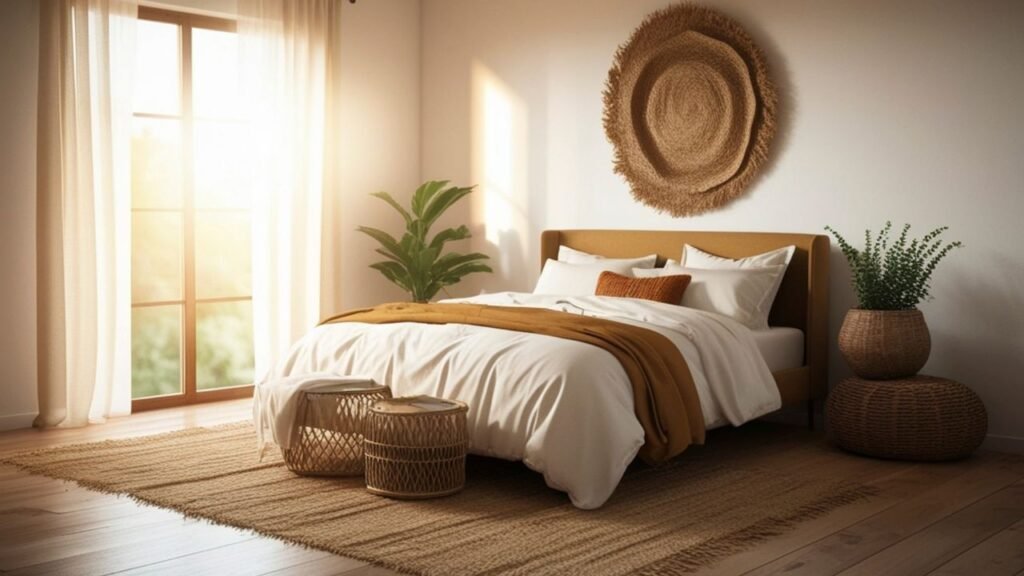
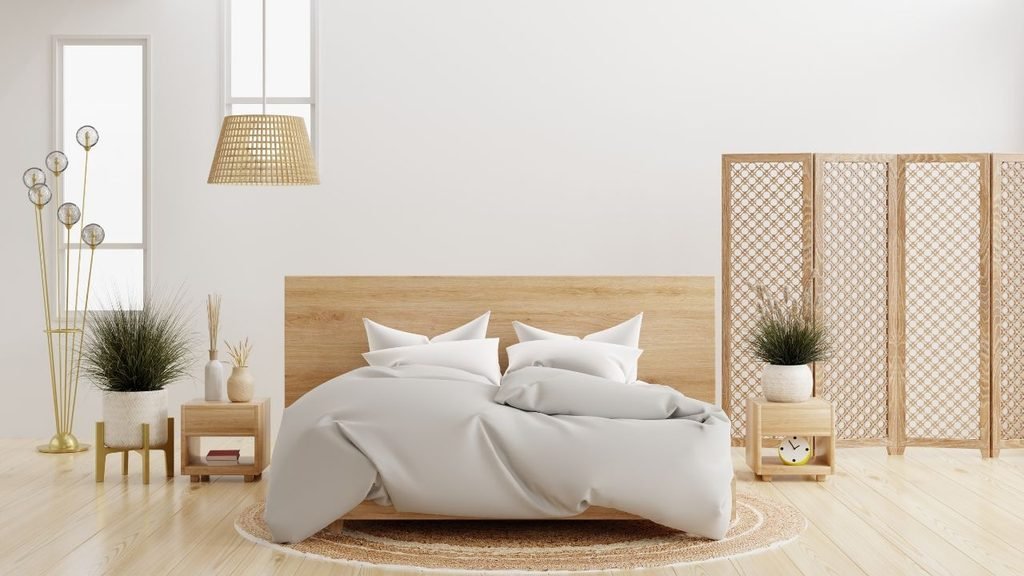
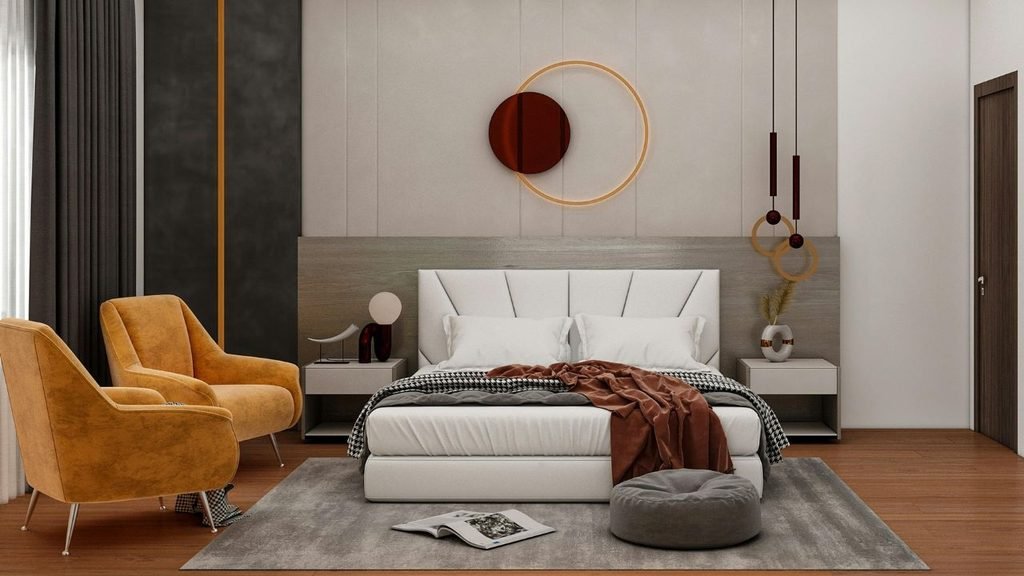
Let the bed remain the visual anchor. Choose calm bedding in related shades, add one tactile throw, and use matching or deliberately mismatched bedside lamps that provide a gentle pool of light. A closed laundry basket and a drawer for charging cables can do more for serenity than another decorative cushion.
Kitchen or dining area
Clear the worktop except for items used daily, such as a kettle, a cutting board, or a small crock of utensils. In a dining area, combine a simple table with comfortable chairs and one low centrepiece that does not interrupt conversation. A single pendant over the table can be paired with under-cabinet or nearby lamp light for evening warmth.
Entryway
Create a landing zone with a hook rail, a shallow drawer or basket, and a mirror. The goal is not an empty entrance; it is a predictable place for keys, bags, shoes, and outerwear. Keep the floor clear enough for an easy step inside, especially near the door swing.
Bathroom
Use one or two tactile details to soften hard tile, such as a washable cotton mat, a wooden stool kept away from standing water, or a linen-look shower curtain. Store backups behind closed doors and keep only the products used daily within reach. Warm bulbs and a muted wall colour can make a compact bathroom feel less clinical.
Designing a Minimalist Cozy Interior Living Room
The living room has to perform several jobs, so comfort and restraint need to cooperate. Begin with the sofa. Choose a scale that suits the room rather than automatically buying the largest model available. In a compact space, a sofa with a slim arm and visible legs may preserve useful floor area; in a generous room, a deeper form can prevent the layout from feeling lost.
Allow a comfortable walking route around the furniture. As a starting point, roughly 30 inches can work for a main passage in many homes, while the space between a sofa and coffee table often feels usable around 16 to 18 inches. These are planning guides, not universal laws: doors, children, mobility needs, and the way the room is actually used should take priority.
Choose a rug that visually gathers the seating rather than floating like a small island. Keep coffee-table clutter to one deliberate grouping, and give books a defined stack or shelf instead of scattering them across every surface. Curtains can soften the room and make windows feel taller; mounting them high and allowing enough width for a full, relaxed fall often creates a calmer frame.
Wood tones add warmth without requiring a rustic look. One main tone can appear in the floor, coffee table, or shelving, while a slightly different tone adds depth. Repeat the relationship rather than matching every finish exactly. Add plants for life, books for evidence of use, and one focal point—perhaps a large artwork, a textured wall, or a sculptural light—so the eye knows where to settle.
Lighting should shift with the hour. Use ceiling light for general visibility, a floor or table lamp for seated tasks, and a small accent light to bring warmth to a darker corner. A living room with several modest sources usually feels more flexible than one powerful fixture switched fully on or fully off.
A Six-Step Reset for a Calm, Lived-In Home
- Edit the room. Remove rubbish, duplicates, broken items, and anything that belongs elsewhere. Work one surface or zone at a time so the process stays manageable.
- Choose a visual anchor. Decide what should lead the eye: the sofa, a dining table, a bed, a fireplace, or a strong artwork. Arrange supporting pieces to reinforce it rather than compete with it.
- Set a small palette. Select three recurring colour families and repeat them through paint, textiles, ceramics, or art. Variation can come from texture and shade, not endless new hues.
- Layer texture. Pair at least two different tactile surfaces, such as linen with wool, smooth ceramic with rough wood, or a flat-weave rug with a knitted throw. This is where warmth enters without visual clutter.
- Improve the lighting. Move a lamp closer to a reading chair, replace a harsh bulb with a warmer suitable option, or add a low light to a dark shelf. Test the room after sunset, when its real mood becomes obvious.
- Review from the doorway. Stand where you enter and look for blocked routes, competing focal points, and objects that feel stranded. Remove one item if the room still feels busy, then stop before it becomes sterile.
| Keep it lived-in: Leave visible evidence of real life in a controlled way—a book beside the sofa, a fruit bowl on the kitchen counter, or a folded throw within reach. Comfort is not clutter when it has a place and a purpose. |
Common Mistakes and the Better Fix
- Using too much beige. A room made entirely of similar beige tones can look flat. Add contrast through muted sage, clay, charcoal, blackened metal, or a deeper wood tone, then repeat the accent in two or three places.
- Matching every finish. Perfectly coordinated wood, metal, and fabric can feel staged. Keep the undertones compatible, but vary texture and finish so the room has quiet depth.
- Buying small furniture for a large room. Tiny pieces can make a generous space feel unfinished. Use one substantial anchor, such as a larger sofa, rug, or artwork, and add only the supporting pieces the layout needs.
- Hiding all personality. Removing every photograph, collection, or unusual object produces a room that could belong to anyone. Display a few meaningful things and edit them with care rather than deleting them all.
- Relying on one ceiling light. A single overhead source flattens the evening atmosphere and creates hard shadows. Add task and accent lighting at lower levels, especially near seating, beds, and work surfaces.
- Confusing minimalism with lack of storage. A clear countertop is not proof that a room has no belongings. Add closed storage, baskets, drawer dividers, or a useful console so everyday items can disappear between uses.
Frequently Asked Questions
How can a minimalist room feel cozy?
Use warmth in layers: a comfortable sofa or bed, tactile textiles, warm and adjustable lighting, natural materials, and a few personal objects. The room should have enough clear space to breathe, but not so little furniture that it becomes awkward to use.
Which colours work best for a minimalist cozy interior?
Warm white, cream, oatmeal, sand, mushroom, soft grey, muted sage, dusty blue, and terracotta can all work well. Choose a small palette and test samples in both daylight and evening light, because undertones can shift noticeably across the day.
Can minimalist interiors include patterns?
Yes. Use pattern selectively: a striped cushion, a subtle checked throw, a small-scale rug, or a single patterned artwork can add rhythm. Keep the palette connected and let one pattern lead while the others remain quieter.
How should a small living room be styled?
Prioritise circulation, choose furniture with an appropriate scale, and use a rug that visually gathers the seating. Consider wall-mounted or closed storage, nesting tables, curtains that frame the window cleanly, and lighting that works at more than one level. A small room benefits from editing, not from filling every corner with miniature furniture.
How can personal items stay visible without making the room cluttered?
Group related objects on a tray, shelf, or ledge, and leave space around the group. Set a display limit for photographs, books, or souvenirs, then rotate items when you want a change. Closed storage can hold the rest without making it feel forgotten.
Conclusion: Make Minimalist Cozy Interiors Personal
Minimalist Cozy Interiors are not about achieving a room with nothing out of place. They are about choosing what deserves attention and making everyday comfort visible through light, texture, proportion, and function. A calm palette, useful storage, layered lighting, and a few meaningful objects can create a home that feels both edited and warmly inhabited.
Choose one room this week and make three intentional changes: clear one crowded surface, add or reposition one light source, and introduce one tactile or personal detail. Live with those changes before buying anything else. The best minimalist cosy interior is not the emptiest room; it is the one that makes daily life feel easier, softer, and more considered.