
Cleaning hacks and tips that fit real life
The kitchen was spotless last night. By breakfast, there are crumbs under the table, a sticky ring beside the coffee maker, and one mysterious pan soaking in the sink. Then a message arrives: guests will be over in 30 minutes. Sound familiar? These cleaning hacks and tips are designed for that exact kind of ordinary chaos. You are in the right place for practical ways to make a home feel fresher without turning every Saturday into a cleaning marathon. The guide covers quick resets, room-by-room routines, family-friendly strategies, pet messes, and deep cleaning tasks. Each idea includes a realistic time estimate, useful tools, and the reason it works, so you can choose the next small win instead of facing the whole house at once.
| Start small: A 10-minute reset can change how a room feels before the entire home is clean. Choose one visible surface, one high-traffic floor, or one task that has been quietly annoying everyone. |
Cleaning Hacks and Tips for Home: Whole-Home Routines
The most effective whole-home routine is not the one with the longest checklist. It is the one that removes repeated decisions. Keep a small caddy ready, work in the same direction each time, and let short bursts handle daily clutter before it becomes a weekend project.
- Use a top-to-bottom sweep. Time: 8–12 minutes per room. Tools: microfiber cloth, duster, and vacuum or broom. Dust shelves, frames, and ceiling corners before cleaning tables and floors. Gravity does part of the work, so fallen dust is collected once instead of wiped twice. Why it works: A consistent direction prevents clean surfaces from being dirtied by later tasks.
- Carry a room-to-room basket. Time: 5 minutes to set up, then 10 minutes per reset. Tools: one open basket and a recycling bag. Place misplaced items in the basket as you move, then return everything in one pass. Why it works: It stops cleaning from becoming a series of distracting trips and keeps the focus on visible progress.
- Batch one task across several rooms. Time: 10–20 minutes. Choose dusting, emptying bins, wiping switches, or vacuuming rather than trying to finish one room perfectly. Why it works: Repeating the same motion uses fewer products and less mental energy, especially on busy days.
- Set a visible timer. Time: 10 or 15 minutes. Put on a timer and stop when it rings, unless a safety issue needs attention. Start with the most noticeable mess. Why it works: A clear endpoint makes an unpleasant task feel finite and encourages action before motivation arrives.
How to make cleaning easier to maintain

Work top to bottom and dry to wet: dust first, then wipe, then mop or vacuum. Batch similar jobs together, such as wiping every light switch in one round or vacuuming all rugs after furniture is reset. Store supplies where they are used, but keep chemicals secured and labeled. A small bathroom caddy, kitchen cloth drawer, and pet-hair tool near the entry can save more time than a complicated schedule. Finally, use a timer. Ten focused minutes often beat an hour spent circling the same room and wondering where to begin.
The 10-minute reset
Use this compact routine when the house feels louder than the calendar allows. The goal is not perfection; it is a calmer starting point.
| Minutes | Action | Focus |
| 0–2 | Open curtains and collect rubbish. | Immediate visual improvement |
| 2–5 | Return misplaced items to their rooms. | Clear walking and sitting areas |
| 5–8 | Wipe the busiest surface. | Kitchen counter, table, or desk |
| 8–10 | Sweep or vacuum the most visible floor. | Entry, kitchen, or living room |
| Quick win: If time runs out, stop after the reset. A tidy surface and clear floor can make the rest of the home feel more manageable. |
Cleaning Hacks and Tips for Kitchen: Stop the Mess at the Source
Kitchens reward small interventions. A wipe while a spill is fresh is usually easier than a rescue mission after dinner, and a clear counter makes the entire room look more orderly. These cleaning hacks and tips for kitchen routines focus on food residue, grease, odors, and the spots hands touch most often.
- Soak cookware before scrubbing. Time: 10–20 minutes of soaking, followed by 3–5 minutes of washing. Add warm water and dish soap to cooled pans; use a suitable non-scratch pad. Why it works: Water loosens dried food so the scrubber does less work. Never pour cold water into a very hot pan, and follow the maker’s care instructions for nonstick surfaces.
- Degrease in two passes. Time: 6–10 minutes. Use a product labeled for the surface, or warm water with a small amount of dish soap where appropriate. Wipe once to lift grease, then again with a clean damp cloth. Why it works: The first pass removes the oily film; the second removes residue that can attract more dust. Patch-test painted cabinets and natural stone first.
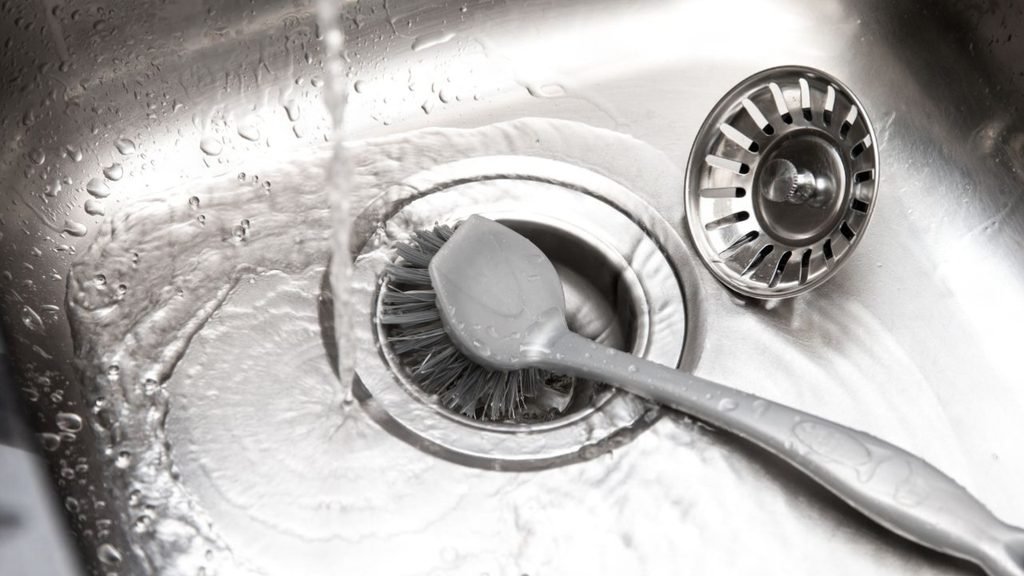
- Give the sink a closing shift. Time: 4 minutes after the last meal. Rinse debris, wash the basin with a compatible cleaner, wipe the tap, and leave the area dry. Why it works: A clean, dry sink prevents the end-of-day kitchen from looking unfinished. Do not combine products, and never mix bleach with vinegar or other acids.
- Refresh the refrigerator shelf by shelf. Time: 15 minutes weekly for one section. Remove expired items, wipe spills with mild soapy water, and dry before replacing food. Why it works: Small sections avoid an intimidating empty-the-fridge project and make spills easier to spot early. Follow appliance guidance for removable parts and avoid saturating seals or controls.
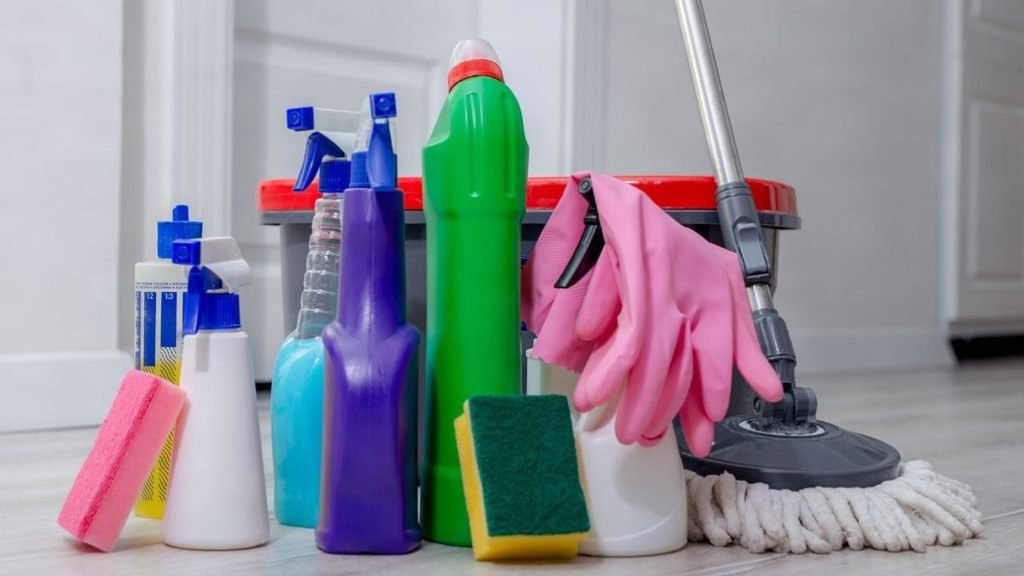
Cleaning Hacks and Tips for Bathroom: Fresh Without Overdoing It
Bathrooms need regular attention because moisture, soap residue, and high-touch surfaces build up quickly. The best cleaning hacks and tips for bathroom routines are simple: ventilate, give products time to work according to the label, and avoid using a stronger product than the surface needs.
- Run a dry pass before a wet pass. Time: 5–8 minutes. Remove hair and loose dust from the floor, ledges, and around the toilet before spraying or mopping. Why it works: Dry debris is easier to collect before it turns into damp grit. Use separate cloths for the toilet area and other surfaces.
- Clean the shower in zones. Time: 10–15 minutes. Work from the upper wall down, rinse as directed, and dry glass or fixtures with a squeegee or clean cloth. Why it works: Smaller zones prevent cleaner from drying unevenly. Check labels before using products on stone, coated glass, grout, or specialty fixtures.
- Pair the toilet with touch points. Time: 7 minutes. Clean the bowl with a labeled toilet product, then wipe the flush handle, lid, seat hinges, door handle, and light switch with a compatible product. Why it works: The areas touched most often can be overlooked when attention stays on the bowl. Cleaning removes soil; sanitizing or disinfecting requires the right labeled product and contact time.

Cleaning Hacks and Tips for Apartment and Small Spaces
Small homes do not necessarily have less cleaning; they have fewer places to hide the evidence. The best cleaning hacks and tips for apartment living use vertical space, reduce duplicate supplies, and keep pathways clear. These ideas also work well for studios, dorm-style rooms, and compact family homes.
- Create a one-bag declutter loop. Time: 10 minutes. Carry one bag for rubbish and one basket for items that belong elsewhere. Clear only floors, entry surfaces, and the main seating area. Why it works: A limited target gives a small space breathing room without turning decluttering into a full inventory of possessions.
- Clean high surfaces with a telescoping tool. Time: 8–12 minutes monthly. Dust tops of cabinets, vents, curtain rods, and tall shelves with a suitable microfiber attachment. Why it works: Vertical dust is easy to ignore until it falls. Use stable footing; do not climb on chairs or overreach.
- Use a landing zone at the door. Time: 5 minutes to establish. Add a tray, hook, or small bin for keys, bags, shoes, and incoming paper. Why it works: Containing the first drop of clutter protects the rest of the apartment from a daily spread.
Cleaning Hacks and Tips for Busy Moms and Families
Family cleaning works better when the standard is clear and the jobs are small. The aim is not to turn children into tiny housekeepers; it is to make shared spaces a shared responsibility. These cleaning hacks and tips for busy moms can also help any caregiver who is balancing work, meals, school runs, and a home that keeps generating laundry.
- Assign a five-minute closing job. Time: 5 minutes per person. One person clears the table, another loads dishes, another gathers laundry, and an adult handles products that require caution. Why it works: Small roles finish the day without asking one person to repair every room alone.
- Keep a family reset song or timer. Time: 7–10 minutes. Everyone works in the same shared area until the timer ends, then stops for a quick check. Why it works: A predictable ritual lowers negotiation and turns cleanup into a short group event rather than a lecture.
Cleaning Hacks and Tips for Pet Owners
Pet hair, tracked-in grit, food crumbs, and the occasional surprise on the floor require prioritization rather than panic. These cleaning hacks and tips for pet owners focus on the places that affect comfort and daily movement first.
- Use a two-tool entry station. Time: 3 minutes daily. Keep a washable mat and a towel near the door; wipe muddy paws before the pet crosses the main floor. Why it works: Removing grit at the entry prevents it from spreading and scratching some floor finishes. Wash the towel regularly.
- Vacuum in a hair-catching pattern. Time: 10–15 minutes three or four times weekly as needed. Start where hair collects, use the correct attachment for upholstery, and empty the machine before it is overfull. Why it works: Focused passes remove more visible hair with less repeated movement. Check the manufacturer’s guidance for filters and pet-hair attachments.
Cleaning Hacks and Tips for Kids: Safe Shared Jobs
Children can help when the task is specific, brief, and safe. The most useful cleaning hacks and tips for kids avoid chemicals, sharp tools, heavy buckets, and anything involving climbing.
- Give a clear “one surface” mission. Time: 3–5 minutes. Ask a child to gather books, wipe a washable table with plain water, pair socks, or place toys in a labeled bin. Why it works: A finish line is easier to understand than “clean the room.”
- Make sorting the first lesson. Time: 5 minutes. Use three categories: keep here, take elsewhere, and rubbish, with an adult checking the last category. Why it works: Sorting builds a repeatable habit while reducing the number of decisions an adult must make later.
Cleaning Hacks and Tips for Deep Cleaning
Deep cleaning is best treated as a rotation, not a punishment reserved for the day before guests arrive. Choose one neglected area at a time, read the product label, and stop when the surface is clean rather than chasing an unrealistic standard of newness.
- Detail the edges first. Time: 15 minutes per room. Use a crevice tool or soft brush along baseboards, under furniture edges, around vents, and behind doors. Why it works: Edges collect dust that ordinary floor passes miss. Protect delicate finishes and avoid forcing debris into vents or electronics.
- Wash washable textiles on a rotation. Time: 20 minutes of sorting, plus the machine cycle. Launder removable covers, bath mats, pet blankets, and cleaning cloths according to their labels. Why it works: A rotation prevents fabric refreshes from becoming one enormous pile. Make sure textiles are fully dry before storing them.
- Clean behind one appliance at a time. Time: 15–25 minutes. Unplug only when the manufacturer permits it, move the appliance safely, remove loose dust, and wipe the floor before returning it. Why it works: Hidden crumbs and dust are easier to manage in a single targeted session. Never pull appliances by cords or use water near electrical connections.
- Reset the cleaning kit. Time: 10 minutes monthly. Wash reusable cloths, check spray nozzles, discard unlabeled mixtures, and replace products that are empty or unsuitable for your surfaces. Why it works: A ready kit removes friction and reduces the temptation to improvise with incompatible chemicals.

Weekly cleaning checklist
- Wipe kitchen counters, table, sink, and frequently touched handles.
- Vacuum or sweep high-traffic floors and entry areas.
- Clean the bathroom sink, toilet touch points, and shower or tub surface.
- Change or wash household textiles that need weekly attention.
- Empty rubbish and recycling, then wipe the bins if needed.
- Return misplaced items and reset the main living area.
Deep-cleaning checklist
- Dust ceiling corners, vents, lampshades, tops of doors, and baseboards.
- Clean behind and beneath movable furniture or appliances safely.
- Wash washable covers, curtains, mats, pet bedding, and reusable cloths according to labels.
- Inspect grout, seals, drains, cabinet interiors, and overlooked ledges.
- Test any new product on a hidden area before broader use.
- Restock the caddy and store all chemicals securely.
Safety and accuracy notes
Never mix bleach with ammonia, vinegar, or other acids. Do not mix cleaning products casually, even if each product seems mild. Ventilate when using strong products, follow the label, respect the required contact time, and keep chemicals away from children and pets. Cleaning removes dirt and debris. Sanitizing reduces certain germs on a surface when a suitable product is used as directed. Disinfecting is a specific product-labeled process; it is not automatically achieved by wiping with any cleaner, and it should not be described with unsupported health guarantees.
Use pH-appropriate products for natural stone, avoid soaking wood, and use minimal moisture around electronics. Fabrics can bleed, shrink, or develop water marks, so check care labels and patch-test first. For unknown surfaces, start with the least aggressive suitable method: a dry cloth, then a lightly damp cloth, then a labeled product only if needed.

FAQ: Practical answers to common cleaning questions
What is the fastest way to clean a messy house?
Start a 10-minute timer, collect rubbish, return items to their rooms, clear the main seating and walking areas, then clean the most visible floor. Do not begin with hidden cupboards or detailed organizing. Visible order creates the quickest sense of progress.
How can a home be cleaned without harsh chemicals?
Use warm water, dish soap, microfiber cloths, a suitable vacuum, and products labeled for the surface. Some jobs may still require a stronger labeled product. Ventilate, patch-test, follow directions, and never assume that natural ingredients are safe for every finish or safe to mix.
How often should a bathroom be deep-cleaned?
There is no single schedule for every household. A light routine may be needed several times a week, while a more detailed clean can be rotated every few weeks or sooner if moisture, buildup, or heavy use demands it. Follow the condition of the room rather than an arbitrary deadline.
How can kids get involved in cleaning?
Give children one short, safe job such as sorting toys, pairing socks, gathering books, or wiping a washable surface with plain water. Avoid chemicals, sharp tools, heavy buckets, and climbing. Demonstrate the task, set a timer, and thank them for completing the specific job.
Which cleaning tasks should pet owners prioritize?
Prioritize entry mats and paws, floors where hair and grit collect, food and water areas, washable pet bedding, and any soiled spot. Use products that are appropriate for the surface and follow label directions. Keep products secured and prevent pets from contacting a treated area until it is safe according to the label.

Conclusion: consistency beats perfection
A cleaner home rarely comes from one heroic weekend. It comes from a few repeatable choices: clear the visible clutter, work top to bottom, dry before wet, batch similar tasks, and give each room a realistic stopping point. The 10-minute reset is enough for today, while the weekly and deep-cleaning checklists can guide the bigger jobs when time allows. Choose one surface, set a timer for 10 minutes, and finish that small promise before adding another. Consistency beats perfection because a manageable routine survives busy mornings, pet hair, family mess, and unexpected visitors. The most useful cleaning hacks and tips are the ones that make the next reset easier, so start with one simple win today

